00:21
Hi, everybody.
00:22
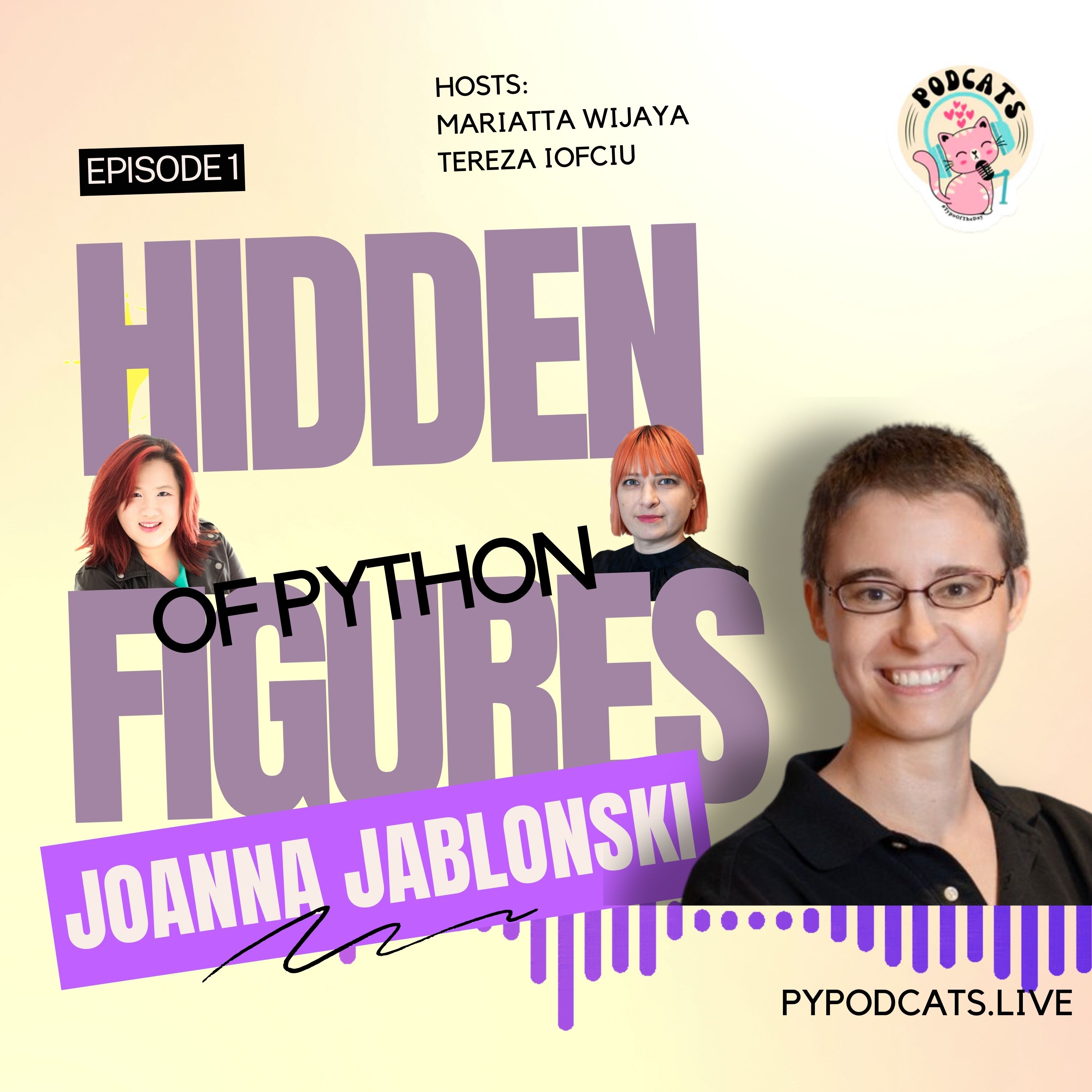
Welcome to PyPodcats: The Hidden Figure of Python Podcast
00:26
series, which is done by the PyPodcats team.
00:30
And the goal of this podcast series
00:32
is to highlight the voices from underrepresented
00:36
group members of the Python community.
00:38
And you can find us on the website.
00:41
Our website is pypodcats.live, and our episodes
00:45
are listed on the PSF YouTube channel.
00:48
And also you can hear it
00:50
from Apple Podcast and Spotify.
00:53
And we do have a Code of Conduct within our
00:57
community, and we follow the PSF's Code of Conduct.
01:01
Yeah, I guess.
01:02
Let's start introducing ourselves.
01:06
My name is Mariatta.
01:07
I'm one of the hosts for PyPodcats.
01:09
I'm based in Vancouver, Canada, and
01:12
I'll give it to you, Tereza.
01:14
My name is Tereza.
01:15
Thank you, Mariatta.
01:17
I am also one of the PyPodcats
01:19
hosts, and I'm based in Hamburg, Germany.
01:22
And Joanna.
01:23
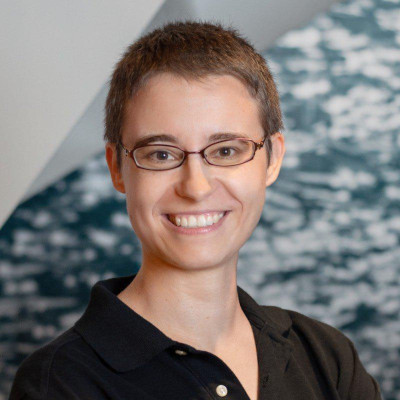
All right, I'm Joanna Jablonski, and I've been
01:27
involved in the Python community since, I think,
01:29
2016, and I'm also based in Vancouver, Canada.
01:34
Joanna, so we know you've been
01:36
very active in the Python world.
01:38
So would you like to tell us a little bit, like,
01:40
how did you get into it, and maybe also, why Python?
01:45
Yeah, sure.
01:46
I actually had some friends over for dinner.
01:49
I think one of them was a data analyst at the
01:51
time, and I had been starting to play around with programming
01:54
again, and he just happened to be really into Python just
01:58
the way that some people are very very into it.
02:01
He wanted me to try it out, and then I did.
02:05
I think I took, like, a couple courses.
02:07
I still felt very new, but I went
02:09
to a PyLadies event in Vancouver.
02:12
The vibe was completely different from any
02:15
other programming meetup I'd ever been to.
02:17
I did not feel like I was
02:18
being tested or anything like that.
02:21
And I, even though I felt very new, people were
02:24
just saying, like, yeah, just make a five minute
02:26
talk about whatever you're learning and come back.
02:28
I'm like, what is this strange place I have landed in?
02:31
But it was really nice, and I feel like I
02:37
got involved with it because it was there, because Python
02:40
has a community in a way that you can't really
02:42
necessarily say to the same extent about other languages.
02:46
And, yeah, that's kind of the
02:50
background for how I got involved.
02:51
And then since then, got a ton of
02:53
stuff, because I met someone through PyLadies
02:57
He knew someone who knew somebody, and that played a
03:00
part in how I started working at Real Python.
03:03
So I was there for three and a half years.
03:05
I ran the curriculum, and
03:07
actually, for the application process.
03:10
I wrote an article about F-strings,
03:13
and I had happened to see Mariatta.
03:14
You gave a talk on F-strings at PyLadies,
03:16
and I saw that same talk again at PyCascades.
03:19
And so it was a lovely sort of circular thing.
03:22
And I've spent most of my time in the
03:24
Python community on some kind of education angles.
03:30
I wanted to ask, basically, how do you feel? Like.
03:33
So you said this, you were in the Python
03:35
community, and it sounds a little bit like opportunities
03:41
came because you were in the Python community, and
03:45
more opportunities to be in the Python community.
03:47
But then my question is, did you have
03:50
career related opportunities coming up from your.
03:54
What impact did your work in the Python community
03:57
have to say work life, if it had any?
04:03
Well, I feel companies sometimes care if you're involved in
04:07
open source, so that can be a tick for them.
04:10
Being involved in the Python community was part
04:12
of how I got involved with Real Python,
04:15
but I wouldn't say it's necessary.
04:18
I mean, being involved in Python education definitely helped me
04:21
work in education at Anaconda, but it has also kind
04:25
of felt like two separate tracks for me.
04:28
And while I've had my career going, I'm
04:31
also kind of keeping this Python world spinning
04:33
on the side, at least since I left
04:36
Real Python, because then the two were together.
04:39
Yeah.
04:39
And I'm also more like about if there are
04:43
skills that you kind of honed in the community
04:45
and then brought back into your work life.
04:47
Well, I feel like I see other people who
04:49
are really front and center in the community.
04:53
For example, you two, Georgi, those types of people.
04:56
And I always feel like I have been hidden, in
04:58
a sense, where maybe people have seen the name or
05:01
the photo, or whenever I end up in some kind
05:04
of tech space, as soon as they hear the world
05:07
Real Python, they're like the whole, everything stops.
05:09
But I feel like a lot of people don't necessarily.
05:12
I don't personally have a lot
05:13
of visibility in the same way. I mean, I used to.
05:16
I think people used to recognize me at conferences.
05:18
That would happen, and that was fun.
05:20
I think.
05:20
We didn't get to hear about what you
05:22
did at Real Python, maybe because of the.
05:26
Would you like to tell us more about your work in
05:29
Real Python for those who are not familiar with that yet?
05:33
Yes.
05:33
So the title is tricky: Executive Editor.
05:36
No one knows what that means.
05:38
That sounds big.
05:40
Yeah.
05:40
It either sounds very big or very small.
05:43
Sometimes people see the word editor and they're
05:45
like, oh, this is the lady that does
05:46
the spell check on my tutorial.
05:48
And I'm like, no, I run the curriculum.
05:50
So that was interesting.
05:52
I came in really early.
05:54
That was exciting to me.
05:55
I was technically the first employee.
05:58
And I find that in general, for educational
06:01
content having to do with programming, the bar
06:03
is incredibly low, both in terms of sometimes
06:07
even just like, is it factually correct?
06:09
Are you teaching the right thing to
06:11
the right person at the right time?
06:13
Are you presenting the information in
06:14
a way that is helpful?
06:16
And so I like that I got to come in
06:18
as someone who didn't have a pure programming background.
06:21
It's like, no, we can do better.
06:22
And so creating systems and style guides and didactic reviews,
06:27
a lot of process to make sure that the stuff
06:30
is good in ways that aren't necessarily, I think, prioritized
06:34
in some other technical content creation spaces.
06:37
And there's a lot of reasons why it's not that really
06:40
make sense, but I like that I could come in and
06:43
just say like, no, we're going to do this, and some
06:46
of you will want to learn how to do this, and
06:48
I will invest more in you and that'll be awesome.
06:50
Those people, then they could become full time.
06:53
And it's a lovely little place where
06:55
people get to just teach and write.
06:57
It's really cool.
06:59
It's an interesting sort of world in itself.
07:01
And there's the community around it, and
07:03
there'll be Open Spaces at PyCon.
07:05
And we had our subscriber community and Slack and office
07:08
hours, and it really grew while I was there.
07:11
When I joined, we were putting out,
07:14
I think, one technical tutorial a week.
07:17
And by the time I left, we were putting
07:18
out two fairly lengthy, often tutorials a week, which
07:22
people in the community started calling book-icles.
07:24
Anthony Shaw's article on CPython's interpreter, I
07:28
think was something like 24,000 words.
07:31
It's bananas.
07:34
And it's not fluff, right?
07:35
Like it's really juicy stuff.
07:37
Because through the review process, we're making sure
07:40
that it's not just fluff for no reason.
07:43
And the writing is tight and you're saying the right
07:45
thing to the right person at the right time.
07:47
By the time I left, we were putting out
07:48
two hefty, really good written tutorials a week, a
07:52
video course, a newsletter, office hours, and a podcast.
07:55
So in those three and a half years, it just exploded.
07:58
And book projects.
08:00
So I co-authored Python Basics with David Amos, and
08:05
I was also the primary viewer, helping Anthony Shaw write
08:08
his book on CPython internals, which sort of started as
08:11
an article, and then we turned it into a proper,
08:14
like a "book" book, and that it was the missing manual.
08:18
That was a very cool thing to work on,
08:20
especially since in my background, I've kind of flip
08:24
flopped between STEM stuff and natural language stuff.
08:27
And I like finding the overlap between the two.
08:30
And I find that in tech there is a
08:32
special niche for people who really want to be
08:34
on that weird overlap, which I can get to
08:36
later, but I found overlaps with stuff like interpreters,
08:40
where this is a language and you're not just
08:43
using the language, you're designing and building a language.
08:45
That's cool.
08:46
I also dabbled with NLP, and one sort of fun achievement
08:50
on that end is that if you Google NLP Python, the
08:53
first result is a tutorial by me, which know is very fun
08:57
Yeah, I used NLTK for it.
09:00
This is like a bit
09:02
The landscape has changed, but it was pretty cool.
09:05
And also another very satisfying overlap between programming languages
09:11
and natural languages is the education side, which is
09:14
why I've found a place here like sort of
09:16
docs and education, and there's sort of different companies
09:19
will call it different things, but it's that overlap
09:23
between code words and people, and managing to simultaneously
09:27
have technical depth but have the other skills that
09:31
make it usable and useful both for yourself and others.
09:34
And that's interesting. Yeah.
09:37
So, actually I wanted to ask you, when you
09:39
were saying, you mentioned that you didn't just study
09:43
STEM and you come from a different background.
09:47
So I think both Mariatta and I are coming from
09:49
a computer science background, and we've seen a lot of
09:52
people in tech coming just from computer science.
09:55
And I personally always like teams that are not
09:58
just computer scientists in data science, at least.
10:00
So can you tell us a little bit about, or tell
10:02
the audience a little bit about your life before Python?
10:06
So my education was fairly focused on STEM for a while.
10:10
So even though I'm in Canada, I
10:12
went through the French school system, so
10:14
they have you specialize fairly early.
10:16
And I went through the science stream, where
10:18
it's just all science all the time.
10:20
You're not even taking French classes by the end.
10:22
You're just super zeroed in, focused on
10:25
math, chemistry, physics, biology, geology, et cetera.
10:28
And that ended up being kind of, I don't
10:32
want to say unbalanced, but like, literally technically unbalanced,
10:35
because it was very far in one direction.
10:37
And then I ended up sort of correcting into getting
10:41
a degree in translation, which is incredibly puzzle based.
10:45
So it was giving me a similar experience, but in a
10:49
different space that was like a bit of a palate cleanser.
10:51
And so I feel like I've zigzagged a
10:52
bit where I was hardcore on STEM.
10:55
Then I went into translation and got a degree.
10:58
It's technically an Arts degree.
10:59
Then I was programming for fun, and then I sort
11:02
of, like the slalom, reduced into finding a middle spot
11:06
between the two, which happened to be useful for tech
11:09
because there are a lot of specialists and there need
11:12
to be people who can kind of bridge gaps, I
11:14
find, between the different specializations.
11:17
I think we definitely need lots of different skills.
11:21
Everybody contribute in their own way.
11:24
Having all these different skills makes us all better.
11:28
And I think I just want to add, like, I really
11:31
admire what you did or what you did for Real Python.
11:35
I know that even now, sometimes in a lot of communities,
11:40
sometimes even in the PyLadies Slack, somebody would be asking questions
11:44
like, how do I do X, how do I do Y?
11:47
And then a lot of time I see the
11:49
answer is that, oh, here's the Real Python article
11:52
about it that's being referred to a lot.
11:54
So I think it's really impressive.
11:56
Thank you for your work on that.
11:58
It's really fun to hear. Yeah.
12:00
And just the fact that it was.
12:01
I mean, it has to support itself and it does.
12:04
The fact that a lot of that stuff is
12:06
free, that has to be helping people as well.
12:09
I similarly was self taught, and so, yeah, I paid
12:12
for some courses, but a lot of it was just
12:14
like, well, things are on the Internet, I'll go learn.
12:17
And so it felt like a neat sort of
12:19
circular, like, oh, I learned from the Internet.
12:22
I'm now providing to the Internet, and
12:23
other people will learn as well.
12:24
Yeah.
12:25
Maybe you would like to tell us more about what else
12:28
you do in the Python community other than Real Python.
12:33
I worked in education, Anaconda for a while.
12:36
I think I mentioned the two book projects already.
12:39
One very cool thing that I did
12:41
was cover the Language Summit for 2021.
12:47
It felt like an honor, and it also felt like,
12:50
kind of like a lovely mesh of those two sides.
12:52
I found where I could make it like a
12:55
proper journalism tutorially really polished article, but also have
13:00
it reflect something that's actually useful and correct.
13:05
And that was very cool.
13:06
But also, it was an honor to be a fly on the wall.
13:09
Not many people go to that, and I got to basically be
13:13
a door for the whole rest of the community onto that.
13:16
And I took it very seriously, and I really wanted to
13:19
make sure the articles were good, and I got lots of
13:21
good feedback and, yeah, I really enjoyed doing that.
13:24
Yeah.
13:25
For those who don't know the Python Language Summit is
13:28
an event at PyCon US that is usually attended only
13:32
by 50 or so people, by mostly Python core developers.
13:38
And so basically, the people who have a lot of influence,
13:41
I would say, to how the Python language is like, and
13:45
because of this meeting, is not open to public.
13:48
Having an article, having blog post is how
13:51
the rest of the Python community can learn
13:54
of what was discussed in the community.
13:56
So it's really important.
13:57
It's the only way we get to share what
14:01
happened at the Language Summit without all the core
14:04
developers having to write their own notes.
14:06
So it's really important.
14:07
So thank you for your help on that.
14:10
And there was another cool thing that happened at
14:13
the Language Summit, was the previous year, I had
14:16
read the articles, and I'd seen that there was
14:19
talk of creating the Editorial Board for Python's docs.
14:21
And then in the year that I covered it, I think.
14:24
Mariatta, did you and Carol present, both
14:26
of you together on the topic?
14:28
I think the three of us.
14:30
I don't remember. Me, Carol and Ned Batchelder, we all
14:33
three of us wanted to have this.
14:36
And so I had read about it before, but finally
14:41
I was in the room where people were actually talking
14:43
about it, and so I basically grabbed Carol, was like,
14:45
I have to be on this, please.
14:47
It sounded very much right up my alley, especially since
14:51
the goals of the Editorial Board were sort of more.
14:55
Where it was less about, well, like, we'll fix
14:58
some typos, we'll see about this or this.
15:00
It was more like, how do
15:01
we make this better for learners?
15:02
Because people who are using Python now are
15:04
completely different from people who were using Python,
15:06
like, ages ago, since now it's people's first
15:08
language, just basically as a matter of course,
15:10
as part of their standard education.
15:12
And so I started working with
15:16
Carol on that fairly slowly then.
15:18
And then just recently, we published the
15:20
PEP, and now we're really getting rolling.
15:23
So I'd say the main thing I'm
15:25
doing in the Python Community now is
15:27
going to be Editorial Board stuff, actually.
15:30
Can you explain a little bit more about the PEP?
15:33
PEP 732, if I got the number right?
15:36
Yeah.
15:36
And that is an Editorial Board for those of us.
15:39
I think most of us don't actually know it yet.
15:41
Yeah, that's fair.
15:42
I'll let me explain.
15:44
Fair enough.
15:48
PEP 732. It's super short.
15:50
If anyone wants to go check
15:52
it out, just search PEP 732.
15:54
So PEP 732 outlines the basic purpose of the
15:59
Editorial board, what it is, what it isn't, and
16:02
how it relates to other parts of the Python
16:04
world, because there are other people working on docs.
16:07
And the difference between the Editorial Board and other
16:10
people working on docs is that the Editorial Board
16:13
is going to deal with more big picture stuff,
16:15
strategy and creating systems for people who are going
16:20
to be contributing, basically to make it easier to
16:22
contribute and to make it easier to learn
16:25
Python.
16:26
I have a question. So I hear a lot of
16:30
Since 2016, it sounds like you've been
16:32
doing quite a lot compared to
16:35
It sounds like this would be for
16:37
other people, like a full time job
16:38
But I'm just kind of like, ask, how
16:41
much time do you volunteer for Python?
16:47
I don't actually know.
16:49
Yeah, it varied a lot.
16:50
I mean, for a while, it was like my
16:52
full time job for a good chunk there.
16:57
I mean, I count Real Python.
16:58
Real Python wasn't volunteering, but it very squarely put me
17:01
in the center of things in terms of Python.
17:04
Otherwise, it's dipped and gone up.
17:09
I think one of the reasons it's
17:10
possible long term is because it's slow.
17:12
I have previously described open source
17:14
as like middle school, but slower.
17:16
And so I feel like there is very
17:19
little pressure to get things done quickly.
17:21
At least my experience has been things aren't urgent.
17:24
That has positives and negatives, because it
17:27
might take forever to get your PR
17:29
reviewed and might demoralize people from contributing.
17:32
But it also means that people seem to be
17:35
fairly conscious of the fact that we're all doing
17:38
this for free in our limited spare time.
17:41
So let's give each other a break.
17:43
And sometimes it feels like every next
17:45
word out of people's mouths is burnout.
17:47
So simultaneously, it's a problem, but people
17:51
are recognizing that it's a problem.
17:53
So, bit of a meandering answer, but I think
17:56
the fact that it's slow helps, and the fact
17:59
that there is a general attempt to treat each
18:02
other like people in a very concerted way.
18:04
I find in the Python community, that really takes
18:07
the edge off some of the more trying bits.
18:11
If you're tired or if you're frustrated, if everyone
18:13
sort of keeps their manners, then we might all
18:16
continue working together, I think much more easily than
18:18
if someone just sort of swans off and makes
18:21
things more unpleasant than people necessarily want it to
18:25
be for what is essentially a hobby.
18:26
Have you managed to avoid
18:28
getting a burnout from volunteering?
18:31
No, I don't think anyone on
18:35
this podcast will answer yes to that.
18:39
So here's the thing.
18:40
I know that right now in the market is hard,
18:44
and right now I feel like everyone's having a hard
18:47
time, and a lot of them, when I talk to
18:50
people, I can see the drain on their face.
18:52
I can see the emotion on their face.
18:53
They're really struggling.
18:55
And I feel like most of the people I
18:58
talk to right now are having a hard time.
18:59
It feels like a very common experience.
19:02
I just want to say, like, even in the last month,
19:05
I hear so many of my friends in the Python community.
19:09
I don't know if I should say it, but they are burnout.
19:13
Like, they're looking for different opportunities.
19:16
The tech industry seems like changing.
19:19
2023 seems to be, like, a strange year.
19:22
I don't know when we last had a normal year.
19:25
I know, but it's just, like, escalating.
19:27
It's like you always think, okay, this
19:28
was strange, and then the next year
19:30
is going even more strange, and then.
19:32
You're like, what on earth will next
19:33
year be like at this point?
19:34
I don't know, but, no, I want to add to it,
19:38
which is that, yeah, I feel like that's sort of an
19:41
elephant in the room that we might talk about or we
19:43
might not talk about, depending on who we're talking with.
19:46
But other friends of mine have also
19:48
just said, like, you know what?
19:49
I'm done with tech.
19:50
And they are fabulous, super accomplished.
19:52
I can't believe. They're amazing.
19:54
And then they just like, no, I'm
19:56
just going to go do this now.
19:58
That is something that I'm seeing
20:00
happen a lot, especially lately.
20:02
I also remember.
20:03
I have a very vague memory of some tweet ages
20:07
ago, maybe some woman celebrating that she made it to
20:11
Was it ten years in tech?
20:13
Because now she beat the
20:14
average or something like that.
20:17
I don't remember the precise numbers,
20:19
but the sentiment was, like, I
20:21
have achieved being slightly above average.
20:23
Congrats to me.
20:24
Something to celebrate. Yeah.
20:25
Do you have any?
20:27
Maybe, like, I don't know, things in life to
20:29
balance things out that help you balance things out?
20:31
Like other non tech related things?
20:34
Yes, definitely.
20:35
I have gone in the extreme opposite direction
20:38
in a lot of my other interests.
20:40
I am very very interested in neolithic and Bronze Age
20:45
textiles, and so I do a lot of research.
20:48
Sometimes I make pieces based on archaeological finds.
20:53
If I'm not here, I'm, like, doing something
20:55
with sticks out far, far away from here.
20:59
But I've started making yarn with a drop spindle,
21:02
and I am really into just identifying moss and
21:06
things that are the complete polar opposite of this.
21:12
You've asked me a topic.
21:13
I have to say one more thing
21:15
on this, but neanderthal eating habits.
21:19
Actually, I think there is either a YouTube
21:24
channel or some blog post about neanderthal cuisine.
21:29
I heard.
21:30
I don't know, my partner was talking about that.
21:32
Cool.
21:32
Or Roman, I don't know, something.
21:35
There's all kinds of stuff, but if someone
21:36
wants something to Google, a really fun term
21:39
is experimental archaeology, because there are people.
21:42
Selly Pointer is a great one,
21:44
since we're talking about YouTube.
21:45
But basically you learn about artifacts by trying
21:50
to recreate them and by recreating them.
21:52
You see, like, okay, so the loom
21:54
must have been created this way.
21:56
And incidentally, one last more tangent.
21:58
I have this one local group that I
22:00
do a lot of ancient textile stuff with,
22:02
and there's one technique that was called spraying.
22:05
It was popular in the Neolithic.
22:06
If you're asking someone on a programming podcast
22:09
about their niche interest, something's going to happen.
22:12
No, it is combined.
22:14
Okay, I will tell you one last thing,
22:15
because this does circle back to programming, but
22:19
we're learning how to do spraying together, which
22:21
is a neolithic textile technique that predates weaving.
22:25
She was creating little notes for herself for how she
22:28
was, so that she could recreate it and learn it.
22:31
And the notes were essentially binary
22:33
because it was like, I moved.
22:35
She didn't intend to be binary, but it
22:36
was binary, which also ties in with how
22:38
the history of programming ties in with looms.
22:41
Anyway, it sounds like reverse engineering, like you
22:45
saw something and you tried to build.
22:49
And a lot of it's geometry and, like,
22:50
3d shapes in materials and chemistry, especially a
22:58
lot of dyes, and things get really finicky.
23:01
Anyway, there we go.
23:01
There's my niche interest for the podcast.
23:04
I think we all need that, and I
23:06
think everybody needs niche interests to stay sane.
23:11
And, yeah, I'm also into
23:14
art restoration, so that's fun. And knitting.
23:17
I mean, that's the other.
23:19
Yeah, that's awesome.
23:20
And I bet Mariatta also has some secret stuff going on.
23:25
I'm into food, so when you say, like,
23:28
learning about neanderthal eating habit, that's something I'm interested.
23:34
Sometimes I like even figuring out how
23:36
did people come up with this dish?
23:38
I like to learn about the history.
23:41
I even learned a history of ketchup.
23:44
The word ketchup is a native
23:46
word in my native language.
23:49
Like in Malay, Indonesian language, we have the word "kecap",
23:52
but it refers to a different type of sauce.
23:55
The sauce is usually dark sauce things.
23:58
You say soy sauce, that's ketchup. "Kecap".
24:01
Salty sauce is like "kecap asin", "kecap manis"
24:05
So "sauce" to me is "ketchup".
24:07
But what American thinks of the word
24:11
"ketchup" in my language is tomato sauce.
24:15
It's reversed.
24:17
We don't say ketchup with tomato.
24:20
Tomato sauce.
24:21
With sugar.
24:22
With a lot of sugar.
24:24
Ketchup.
24:25
But I tried to dig it up.
24:27
Why did we have this same word?
24:29
It turns out when the Heinz or whoever tries
24:33
to come up with the name of their sauce,
24:36
they borrow it from Malaysian, from Indonesian.
24:39
Like, they take this word from us.
24:42
Anyway, it's totally random archaeology.
24:45
No, that's really cool.
24:47
It's all of the mysteries that you can find in words.
24:50
Coming back to words and your... tada! and
24:53
your multifaceted interest in computer science and languages.
24:59
I was wondering, how has this kind
25:02
of come up in your work?
25:03
Like this intersection between computer
25:06
science and translation and language?
25:08
Yes, I guess I found out that it's really useful.
25:13
Generally, I find a big pressure to just be an
25:16
engineer and everyone has to go be an engineer.
25:19
And I feel like people are confused why
25:22
I don't just go be a pure engineer.
25:24
But I've also found that the opportunities for people who
25:28
can do multiple things, like if you can code and
25:31
you can talk to people and you can write and
25:33
you can teach and you can organize and you can
25:35
learn whatever else new thing is required of you, then
25:38
opportunities might come to you fairly quickly and well enough
25:43
that by the time someone's trying to hire you for
25:45
an engineer role, you might actually be making more than
25:47
a junior engineer.
25:49
It just comes sometimes.
25:51
So there is definitely a need.
25:54
The jobs can be weirder and less common.
25:57
So when I look at job postings, I'm not
26:00
just looking like look up like Django developer or
26:02
like data analyst or something very structured.
26:05
I'm looking at all kinds of things, and I have often been
26:10
like the first X at a company or been given a job.
26:14
Like, we don't know what this job is.
26:15
Go figure it out.
26:16
Which I personally find fun, since you get
26:19
to make your own job and kind of
26:21
create some direction and agency for yourself.
26:24
But yeah, there are fewer jobs like that than just, I
26:27
am an engineer, but the people who are looking for you
26:31
are also having a harder time finding people like you.
26:34
So it depends what path you like.
26:36
But I like this middle path.
26:38
There's a lot of variety and it feels more social.
26:42
It feels like I can still move in
26:45
a lot of different directions from here.
26:47
I don't feel boxed in.
26:48
Like I could still become a specialist as
26:50
long as I still keep every door open.
26:52
It means that know constantly learning a lot of things and
26:55
I don't know what my next job will be like.
26:57
And so sometimes I'm like, I don't know, should I
27:00
take courses on instructional design, or should I get my
27:02
next AWS certification, or should I do this?
27:04
Or should I do this?
27:04
Or should like, I feel like that mentality might also
27:08
be not uncommon among people who are active in open
27:11
source who just tend to fill like, there may be
27:14
a type who tends to fill their schedule, who I
27:16
think might be drawn to open source as well.
27:19
So that might be a recurring theme in these chats.
27:22
And maybe, I think one of the things that
27:24
is also, if you're open like that to different
27:28
learning ways and different ways of interacting with people,
27:32
it's also opening up the space where you're not
27:34
needing to be an expert in everything.
27:36
You can collaborate with other people and leverage
27:39
that other people are good at something and
27:41
you have indicating to figure that out, right?
27:44
Totally.
27:45
And then it helps you bring people together,
27:47
it helps you accomplish bigger things, and it
27:49
helps you train people to replace you.
27:52
These are all good things.
27:54
These are all signs of growth, both individually
27:57
and within a community and within a company.
27:59
So that's the opposite.
28:01
Like things that you can do to stave off stagnation.
28:04
I think.
28:04
I think it's actually a good thing being able to
28:07
adapt and being flexible, being able to work with a
28:11
lot of different types of people, because it's not actually
28:15
easy, it's hard working with people worldwide.
28:21
It takes a certain skill and intentionality
28:24
to being able to work together.
28:27
So what is next for you?
28:32
I think you mentioned to me you
28:33
have a secret project or something about.
28:36
It ties in, because we just had PyLadiesCon con recently, and it
28:40
ties in with my talk at PyLadiesCon, which was based on
28:45
a really short skimmable article that I wrote called How To
28:49
Make a Docs Site: Shortcuts for Busy Devs
28:52
And that article was aimed at developers who
28:54
are not particularly interested in making docs, but
28:57
for whatever reason they need one.
28:58
Maybe they have an open source project that they
29:00
want to share, or they are at a startup
29:03
that now needs to create its first doc site
29:06
and they just need to get something out.
29:08
So in that article, I gave them a super short,
29:11
opinionated, practical guide to have a path of least resistance
29:15
towards just getting a doc site out that is decent.
29:17
And I'm also working on sort of successor to
29:21
that that is longer and more involved and is
29:24
still very practical, but is just a richer resource
29:28
like gives templates and checklists and systematizes the process
29:32
of making docs to make it less painless for
29:34
people who are not particularly interested in docs.
29:37
Because if you are interested in docs,
29:38
there are resources out there for you.
29:40
There's the book: Docs for Developers.
29:42
The Product is Docs. Docs Like Code.
29:44
But I feel like those books are for docs people who
29:48
want to sit down and read a book about docs.
29:50
They're excellent. I own them.
29:52
I don't have them here.
29:53
I had them here on the PyLadies talk so
29:55
that if someone recommended books or asked for recommendations,
29:58
I could put like, these two are great.
30:00
Or three, because I have anyway.
30:03
But I find that those have more theory in
30:08
them than some audiences might have patience for.
30:10
So I wanted to create sort of
30:12
a very systematized golden path of least
30:15
resistance towards making that. It's not public.
30:19
I wasn't even sure how much detail I was going to
30:21
go into, but apparently it all just fell out of me.
30:24
No problem.
30:25
That is something I'm working on.
30:30
I don't know.
30:30
I've been at companies, at startups, a few different
30:34
startups where they have no docs at all.
30:37
At all.
30:39
And because there is no docs, when it's time
30:42
to off board somebody, like when somebody leave there
30:46
is this two weeks of grueling handover.
30:50
Tell us everything you know from
30:52
two years into these two weeks.
30:55
I think documentation should just be done continuously.
30:59
It should become part of the work you do.
31:02
As you write code, you write test, you write doc.
31:05
It's part of the package in my opinion.
31:07
Yeah, it's more sustainable.
31:10
It is worth it.
31:12
Are you looking for testers for your new project?
31:16
I will be.
31:17
I don't have anything to give them to test that.
31:23
I need to be ready to share this with people.
31:30
Maybe there's like a place where people
31:32
can reach you and put your waitlist.
31:34
Yes, no, I would love that.
31:35
That's an excellent idea.
31:37
My handle on GitHub is jablonskidev
31:39
J-A-B-L-O-N-S-K-I-D-E-V
31:43
My personal site is jojab.dev
31:45
J-O-J-A-B dot dev
31:47
If you want to find me
31:48
on LinkedIn, just search Joanna Jablonski.
31:50
I'm very findable and yeah, I'm always happy
31:54
to talk about developer education and docs.
31:56
So hit me up.
31:57
I would love to chat.
31:58
Awesome.
31:58
Well, thank you, Joanna, for speaking
32:00
with us and sharing your experience.
32:03
And thank you for having me.
32:05
And thank you for making this podcast.
32:06
Thank you for it