00:21
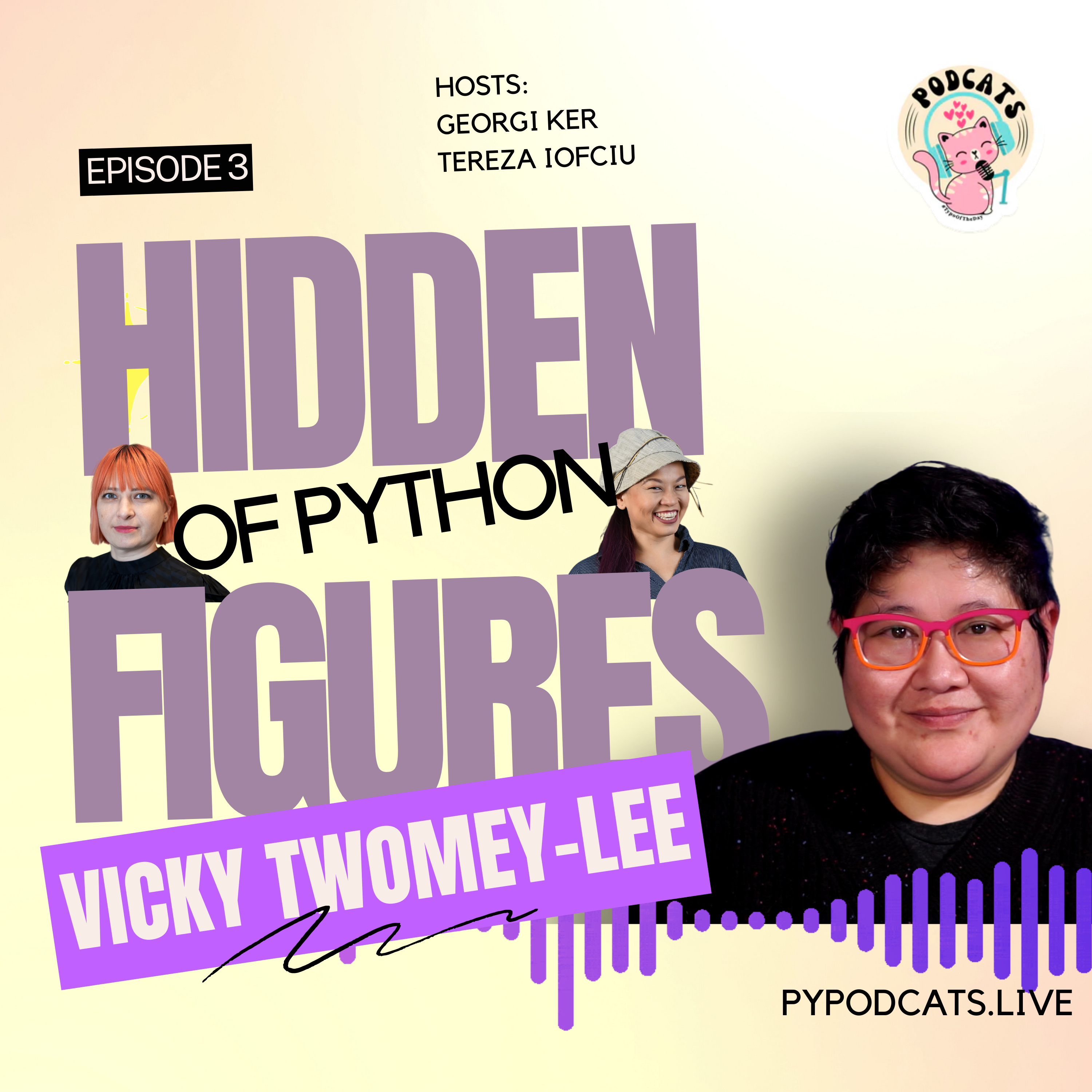
Hi everybody, welcome to PyPodcats
00:23
Hidden Figures of Python podcast series.
00:26
The PyPodcats is created to
00:29
highlight voices from the underrepresented group
00:32
group members of the Python community.
00:34
We follow the Python Software
00:36
Foundation's Code of Conduct.
00:38
So if you want to know a little bit more about
00:41
the Code of Conduct, you can check on pypodcats.live/conduct
00:46
That's pypodcats.live/conduct
00:52
Let me do a little bit of a self introduction.
00:54
My name is Georgi and I'm based in Amsterdam.
00:58
I'm one of the PyPodcats hosts and I'm
01:01
also one of the board director from the PSF.
01:03
Over to you, Tereza.
01:05
Hi, my name is Tereza, I'm based in Hamburg.
01:08
I'm also one of the PyPodcats.
01:10
I'm involved in several initiatives of Python Software
01:14
Foundation, like the Code of Conduct Work Group
01:17
Diversity and Inclusion workgroup, and PyLadies Hamburg.
01:21
And on to you, Vicky, our guest for this episode.
01:25
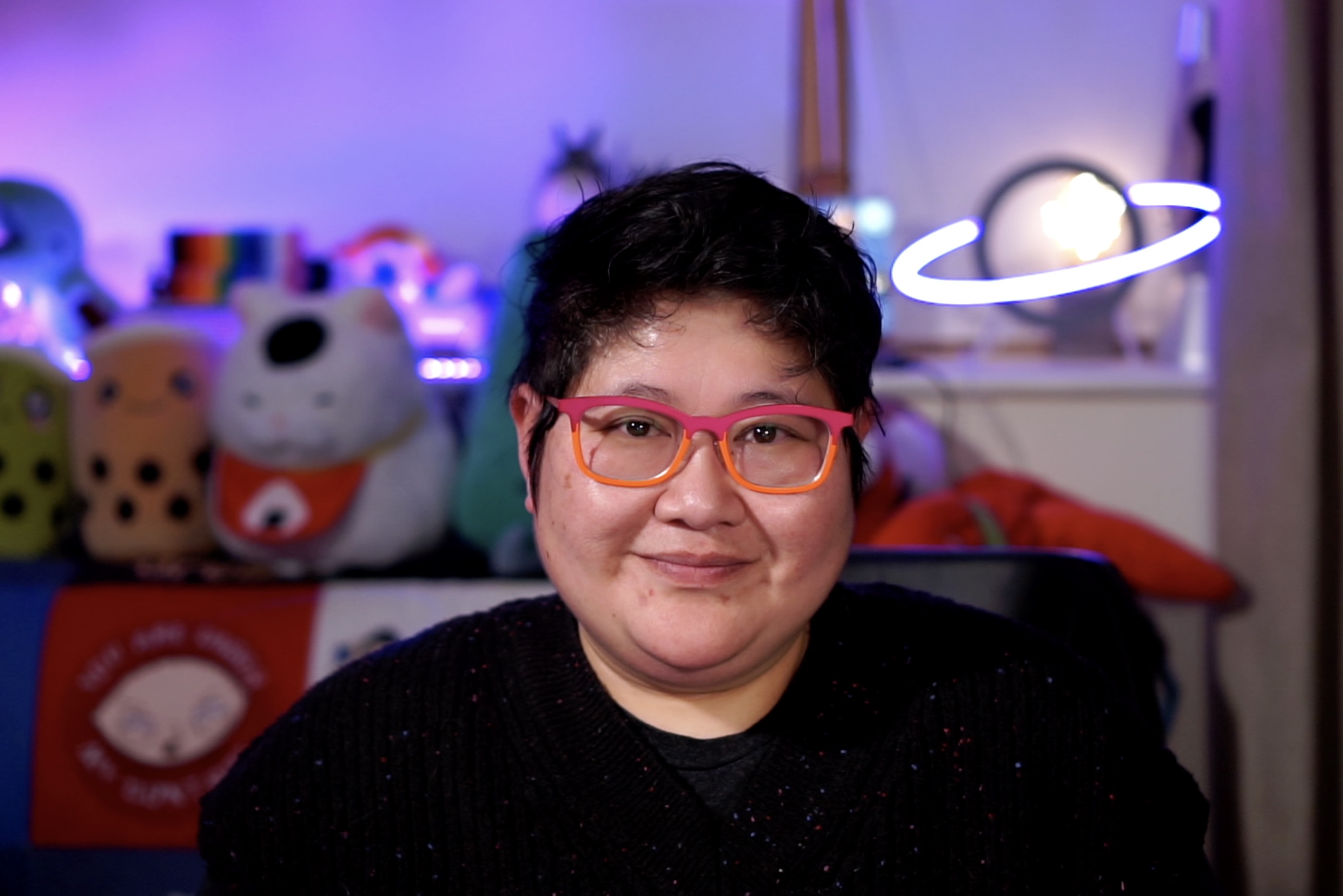
Hi everyone, Vicky here.
01:27
I'm based in Dublin, Ireland.
01:29
I look after PyLadies Dublin here, and I
01:31
have many, many hats on which we'll name,
01:34
but I am helping out in the PSF
01:37
Grants Working group as well, amongst other things.
01:40
So thank you for having me here today
01:42
And thank you, Vicky, for joining.
01:45
Well, Vicky, you have been an active member
01:48
in the Python community for quite some time.
01:50
So how do you get started using the Python language?
01:54
That was back in around 2002 when my now husband
02:01
then we used to work together in the company.
02:04
He came across Python and we decided
02:06
to use it to help streamline, streamline
02:08
our internal tools, processes made our life really easy,
02:12
as devs are kind of lazy and stuff.
02:15
So this really helped us out a lot. And it was out.
02:18
It was just really nice and simple to use.
02:20
And it was actually days before we encountered Python,
02:23
I did a Perl course at work and had the cert.
02:26
I was just sitting there lying on
02:27
the table, forgotten once I discovered Python.
02:29
So that's how I started using Python quite early on.
02:33
And it was just really helped
02:34
us out, really improved things.
02:36
I was helped with a lot of projects, especially with
02:39
the management and things like that, which is great to
02:42
see that even current day, I see my old colleagues
02:45
still using Python and things like that.
02:47
I assume they improved on the tools, but
02:49
it was good to be super early and
02:51
just making life easy for everyone, using a
02:53
super amazing technology and super easy to use.
02:56
That's really cool.
02:58
I have a question, though, regarding
02:59
your involvement in the Python community.
03:01
What attracted you to the community itself, like
03:04
organizing events and getting into PyLadies, for example?
03:09
You're not just coding in Python,
03:10
but you're doing so much more.
03:12
I suppose back in those days before Meetup and
03:15
Eventbrite came around, you have to know in Ireland
03:17
we may have one meetup a year. And that's true.
03:19
The irish Linux user group mailing list, if
03:21
you are honest and primarily word of mouth.
03:23
As much as I love my work colleagues at
03:25
the time, I do want to learn from other
03:28
people, like my peers, from other companies as well,
03:30
and other technology, which I just want my brain
03:32
to be melted a little bit and don't understand.
03:35
So when Python came about, probably two years after
03:39
we discovered Python and we saw other people who
03:41
were doing toys and stuff, and in Dublin, I
03:43
saw the meetup, jumped on it.
03:44
That was about 2004.
03:45
It was started by an engineer called
03:47
Darragh Sherwin, and then it got rebooted
03:49
in 2005 by the amazing Sean O'Donnell.
03:51
And we were gathered around a dark pub. Irish pub.
03:55
Yes, we're in Ireland. Stereotype.
03:56
We all meet in the pub.
03:57
Yes, that's what we do.
03:58
Sit around this tiny laptop in
04:00
the dark pub just not working.
04:01
And someone said, let's get a room
04:03
with a projector and give talks.
04:05
And no one volunteered.
04:06
So I said, oh, how hard could it be?
04:08
So I took the ball and ran with it and
04:11
ran the Python Ireland meetups every month, nearly every month
04:14
for nearly over eleven years before I handed it over.
04:17
So that's how I got involved
04:18
with the Python Ireland community.
04:20
It was pretty much very early on, and
04:22
when everything was extremely exciting, completely new technology,
04:25
that was the hottest thing right then, and
04:27
everyone just wanted to share what they did
04:29
with Python and its related technologies. With PyLadies,
04:32
that's another, another story as well that got
04:35
launched during PyCon Ireland in 2013 as well.
04:39
So, yeah, a lot of things kind of started
04:42
by me, I think a serial starter of things.
04:46
So when was that?
04:48
Is that in like a year?
04:50
It was.
04:51
So PyLadies Dublin was launched in 2013.
04:54
So that was my last year chairing PyCon Ireland 2013.
05:00
It was a pivotal moment because I managed to
05:02
invite a very first female keynote technical speaker, and
05:06
that was Lynn Root, and she was co founder
05:08
of the San Francisco chapter of PyLadies.
05:10
And I go, it's a sign.
05:12
Why not launch PyLadies Dublin?
05:14
I was launching not for profit initiatives all
05:16
over the place around 2012 and 13.
05:17
I said, what's one more to add to the list?
05:20
So we launched it in 2013 during sprints weekend, and
05:24
we had about six-ish people, a nice yummy cake
05:27
and a plan that we don't want to be the
05:29
same as other technical user groups at the time, which
05:31
we know is mainly two long talks with beer and
05:34
pizza in the middle, and then the pub afterwards.
05:37
And I did say we go to pub meetups a lot here,
05:40
especially in Ireland, but the folks here did not want to go
05:43
to pubs, did not want pizza and beer all the time.
05:47
They wanted something more interactive, but
05:49
they do want something monthly.
05:50
And, I mean, I'm still doing it right now, and it's currently
05:55
trying to keep it small to try and make sure that it's
05:58
not too scary for someone who's new coming into the group and
06:01
who wants to speak up or want to give a talk, or
06:03
just want to go around and meet other people and just don't
06:06
feel like they want to run away.
06:08
And because I'm not a coder or I'm not this, I'm
06:10
not a Python person, just want to make sure you just
06:12
come along, you're curious, or you just want to share and
06:14
be excited about something you found in Python.
06:16
Just share with us.
06:17
It's a safe space.
06:19
So that's 2013, quite a while ago.
06:22
I'd like to add a question, a follow up question.
06:25
Maybe it's a bit off script.
06:26
Okay, so how has your involvement in
06:30
the Python community helped in your career,
06:33
or has it helped in your career?
06:34
Helping, yes.
06:36
And I'm so blessed to have come across the Python
06:39
community, especially, as I said, I was really very privileged
06:43
in the right place at the right time, being able
06:45
to see Python in the early days, being able to
06:47
see a lot of the core developers, especially when I've
06:50
gone to EuroPython and I actually came across them.
06:52
I didn't even know they were the core developers.
06:53
And then I kind of nearly fainted when
06:55
my husband told me, you were sitting on
06:56
the table with all the core developers.
06:58
But they were so welcoming and so inviting and
07:01
so amazing to talk to and so supportive.
07:03
Those early days in 2009, while we're trying to
07:07
prepare our first conference in 2010 for PyCon Ireland,
07:10
it was the support of John Pinner and everyone
07:13
that helped us through, you know, setting up, like,
07:15
thinking of the ethos and why you're setting up
07:17
the conference, who you're setting it up for.
07:20
I think meeting those people and being supportive gave
07:23
me the kind of positivity that I want to
07:25
pay forward and help others as well.
07:27
And that's why I carry that as I left Python
07:29
Ireland behind and PyCon Ireland behind, because other people have
07:33
to take over, and I was burning out, but I
07:35
still want to carry on PyLadies Dublin, and I just
07:37
love how just even Global PyLadies, how we still have
07:40
that ethos of trying to help each other, trying to
07:43
be inclusive and have safe spaces and stuff.
07:45
And that goes same with EuroPython as well.
07:48
And that is a huge scale.
07:50
But I end up joining a lot of those just to
07:52
figure out how things work and run in the background to
07:54
try and improve how I do things here in Ireland and
07:57
also share that experience with other tech community organizers.
08:00
So from a community side of things,
08:02
I have learned a lot as a
08:03
volunteer, running events, hosting events, organizing events.
08:07
Career wise, I kind of stepped back a lot from
08:09
being a developer, as I got more pulled into the
08:11
community side, even though it's all mostly volunteer.
08:14
But I ended up working with say like
08:17
Dog Patch Labs, a co-sharing space, who also
08:21
runs a startup program here currently.
08:24
But they have a space for events and they were launching
08:26
it at the time and they asked me to come in
08:28
and connect them to the technical user groups around Dublin to
08:31
tell them to come along and use this.
08:33
So I was pretty much like a liaison with the irish tech
08:35
scene and I was trying to keep a finger on the pulse.
08:38
There is a very active kind of tech community here.
08:42
So Python, I think, formed the basis from that
08:45
where I started to meet a lot of different
08:47
people because the meetup scene was so small and
08:49
everyone start branching off and created their own niche
08:51
groups not technically Python related, go to
08:54
games, to different language user groups.
08:58
From that I bounced from different very kind
09:01
of interesting roles, like a game and curator
09:05
researcher for Dublin science gallery.
09:08
Back in 2012, around that same period that was,
09:11
I got paid to play games, research about games,
09:13
go to games, festivals and things like that.
09:15
And they came.
09:16
I interviewed a lot of game exhibitors, or
09:19
potential exhibitors who became exhibitors, and the gallery
09:22
produced an amazing wonder world of an exhibition
09:25
from my black and white spreadsheet.
09:28
It was fantastic.
09:30
That was completely so far away from coding, but
09:33
related to games, related to tech connected me to
09:35
a lot of indies, and that's where I got
09:37
involved with a lot of indies.
09:39
So I kind of very spread out in a lot of geeky things.
09:42
So community meant a lot to me.
09:44
So even though I start moving away from
09:46
python stuff, I always think back to how
09:49
I got started, and that is Python.
09:51
The community itself, the warm heartedness and the open
09:54
arms of the community that brought me in in
09:57
those early days and showed me the ropes.
09:58
And I want to push, give that to everyone else
10:01
because it is hard to start off for a lot
10:03
of people, it is hard if you fall down, especially
10:05
COVID, and you need to restart again.
10:07
You need that boost.
10:08
And I want to help everyone as much as I could. Right.
10:11
I think you're not the first invited guest
10:15
that said how important the community has actually
10:18
led us into the group and how it
10:21
actually motivates us into, like, creating more events,
10:26
creating more opportunities for everyone to join.
10:31
Your story about how you started PyLadies in Dublin actually
10:35
reminds me of how I started, because I was already
10:39
in PyCon Thailand, and organizing the event, and one of
10:44
the speakers was Lena from PyLadies Japan, Tokyo.
10:49
And she gave a talk about PyLadies, and I was
10:51
like, hey, wait a minute, there isn't one in Bangkok.
10:54
And that was how I actually started
10:56
PyLadies Bangkok, along with another co founder.
11:00
So I think a lot of us just kind of like a
11:02
kind of chain effect that we actually link from one to another.
11:06
And I also like the way you
11:08
mentioned about how you started PyCon Ireland.
11:13
It was a core group of us in the beginning.
11:16
There's only like six to maybe
11:18
twelve back before Pycon Ireland
11:20
was like, you have to know that our
11:22
largest ever meetup was, like, 20 people.
11:25
You know, this is really small,
11:27
but it was enthusiastic, 20 people.
11:30
But then when we had our first
11:31
PyCon Ireland, it was nearly 100.
11:33
And we go, where were the rest of you?
11:35
And we're asking for people to come and talk.
11:37
That was boiling down to us wanting
11:39
to get more experience, because it was.
11:42
I pointed to PyCon UK and John Pinner.
11:45
It was because they were
11:46
It was them who were actually calling out
11:48
for the next host for EuroPython in 2010. For 2010.
11:50
And the core bunch of us would just so happen
11:52
to be in EuroPython in Birmingham the year before, when
11:55
they were doing a call for city to host.
11:57
And that's how it started, really.
11:58
The ball got started there, and then, of
12:00
course, a pub got in there as well.
12:02
And when we're back in Ireland, and I was the
12:04
only sober one, but that was another side story.
12:06
But we started PyCon Ireland.
12:09
And yes, a bunch of us.
12:11
And of course, when you need someone to open
12:13
the conference and being a bunch of techies, no
12:16
one wants to stand in front of everyone.
12:17
So I got, hey, Vicky,
12:19
you're doing a bunch of work.
12:20
You know what's going on.
12:21
You go and tell everyone what's happening.
12:23
So people say it's down to practice. When, how. Why?
12:26
How do you speak in front of people?
12:27
But it's more like it's still quite nerve,
12:29
nerve wracking, but you have to do it. It's like a job.
12:33
You just get pushed out in front
12:34
or else the conference will never start.
12:37
So we just went ahead, did it.
12:38
And so it wasn't just me, it was a team effort.
12:41
It was such a big job.
12:43
Okay, fair enough.
12:44
Myself and my husband did spend the first
12:46
planning the first PyCon, mostly in Hong Kong and
12:48
Starbucks, trying to figure out sponsorship and figuring out
12:52
swag and programs and the website.
12:54
We did most of stuff, but it's still a
12:55
team effort because we need that support from the
12:57
community in order to make it happen.
12:59
And we had to start
13:00
from scratch, everything from scratch.
13:02
And it's really hard.
13:03
So I completely, you know, understand if someone
13:06
was starting anything from scratch with nothing to
13:08
back, nothing, no sponsor, no nothing. We know.
13:11
I know how hard it is.
13:12
I just keep thinking back when I
13:14
first started, how hard it was.
13:15
And now, even with all the information, all
13:17
the stuff that's happening, it's still hard.
13:19
You don't know where to go and where to start.
13:20
So having, you know.
13:21
So, yeah, I tried to give the information
13:23
I have could be out of date, but
13:25
I tried to learn from others as well.
13:27
So it's always a learning process.
13:28
You know how many people
13:29
attended PyCon Ireland, last time?
13:33
Do you know, like around.
13:34
Well, I can tell you, whatever the max, the hotel can
13:40
safely fit us in because we keep pushing the numbers.
13:43
We went from 100.
13:44
They saved us the first year because we lost
13:46
our evening event space on the first year.
13:48
Things go wrong as usual.
13:49
It always goes wrong when you organize stuff.
13:51
So this hotel, Horizon Blue, they hosted us.
13:54
It was like, initially it was like
13:55
100, 150 to 250 to 350.
13:58
We keep pushing and pushing.
14:00
So whatever the max.
14:01
I don't know, 400? I have no idea.
14:03
Whatever the max, their halls fit.
14:05
It's like three banquet halls that they.
14:07
It's like a huge banquet hall that can split into
14:09
three for a session is very normal in hotels.
14:11
And then for the plenary, they opened up the
14:13
three halls again to make it a plenary session.
14:15
So whatever the safety, the safe amount of
14:18
people they can fit in for their health
14:20
and safety, that is the amount. It's a few hundred.
14:22
So it's quite good and quite consistent, like, as well.
14:26
So it's nice to see and it's nice
14:28
to be an attendee and not an organizer.
14:33
So currently, what are you actually working on?
14:36
Like, is there any new activities or
14:39
some Python related events or PyLadies?
14:42
Yeah, I still run PyLadies each month.
14:45
There is a growing team of helpers.
14:47
I'm trying to support them and trying to get them
14:50
to get things going, like the Python study group and
14:54
things like that, and any ideas like PyLadies.
14:56
Dublin we're very open on what people want to do.
14:59
I can be very experimental. Other things.
15:02
I'm involved with another
15:04
initiative called Coding Grace.
15:06
We advocate diversity in tech, mainly myself
15:09
through coding Grace, we curate newsletters and
15:13
events in around the island of Ireland.
15:15
But we do have a virtual series of events
15:19
for the next few months coming up called Cupán Tae
15:21
Cupán Tae is an irish word for cup of tea,
15:24
because, as I mentioned, we don't like, PyLadies,
15:27
We don't like beer and pizza, so we like a cup tea.
15:30
I do have a couple.
15:31
My mug of tea in front of me right now, an Irish Tea.
15:35
And that's this particular.
15:37
This particular conference is aimed at principal engineers, head
15:39
of engineering staff engineers, because we do, there's a
15:42
lot of events, but there's not one.
15:44
There wasn't one aimed at very senior level, so
15:46
we wanted to create one called Cupán Tae Conf.
15:49
So hopefully we get enough
15:51
interest for the virtual ones.
15:53
We do have three speakers all lined up.
15:56
Laura Nolan talking about path dependence.
15:58
History matters on March 26, John Looney second
16:01
system event, not a new problem, on April
16:03
4, Patricia Aas, who's an international speaker talking
16:06
about classic vulnerabilities in May 7th
16:08
And details can be found in cupantaeconf.com
16:12
That's one big one.
16:14
How do you spell cupantea?
16:15
Can I have a cup on tea, please?
16:17
Cupán
16:18
So C U P.
16:19
So there's an á.
16:20
I know in French, you call it an "aigu".
16:22
So I don't know what other languages, what you call it
16:24
It's like.
16:26
It's like on top of the a there is like a
16:30
Accent aigu. Yeah.
16:32
So in Irish, that's a "Fada", because elongates the a.
16:36
So it's Cupán.
16:37
So C U P A Fada N. Cupán. Space. T A E.
16:40
And that's tae. Cupán Tae.
16:42
So it's a cup of tea. Right. Right.
16:46
So what is irish tea?
16:48
Is it black tea or?
16:49
Yeah, it's normal tea. We have.
16:51
I don't want to go into the whole argument. There's two.
16:54
There's Lyons, or Barry's. Lyons is pretty
16:56
much in Dublin, but everywhere else is Barry's,
16:58
and I'm Barry's tea person.
16:59
But I don't know if you want to keep that in
17:01
the podcast, but it might cause a fury in Ireland.
17:05
"I don't want to listen to Vicky anymore!"
17:07
"She drinks Barry's tea!"
17:10
Tea should be that way.
17:12
Yes, it should be like Barry's or Lyons.
17:14
You know, the Lyons when people know it's
17:16
Lyons because it's like a pyramid shaped tea
17:18
bag and it's all these kind of things.
17:20
If you go down further south
17:21
of Ireland, it's definitely Barry's tea.
17:24
I grew up with Barry's tea.
17:25
I think it's fine, but it's fun to pull the leg
17:28
of people who are very serious about their irish tea.
17:31
You drink your tea with milk or.
17:33
Yeah, I drink my tea with milk.
17:34
No sugar sometimes, but normally no sugar.
17:37
Yeah, this is a funny conversation.
17:39
Normally a conversation.
17:40
I will actually talk if I was running
17:41
a podcast or Cupán Tae, to be honest.
17:45
But yeah, I do have a cup of milk tea in
17:48
front of me and it's a mug with cats on it.
17:51
Don't know if you see it.
17:55
For the podcast.
17:58
Just so happen I picked it up.
18:01
You have quite a professional setup.
18:03
Do you do other things with or why
18:06
do you have such a professional setup?
18:07
Oh, that was from thanks to COVID, things got
18:10
upgraded more and more because my imac only had,
18:14
I think the camera was like 720p
18:16
and I wasn't very happy with it.
18:18
I wanted more high def because I was
18:19
doing a lot of podcasts, streaming, live streaming
18:22
and stuff and I wasn't very happy.
18:23
And I want a higher camera ratio
18:24
I want at least 1080.
18:26
I want at least 1080.
18:27
So my camera, it got upgraded.
18:29
My lights got upgraded.
18:31
My microphone upgraded at least twice.
18:33
I think I have like audio switchers.
18:35
I have, you know, other switches in front of
18:38
me and then the lights in the back keeps
18:40
getting upgraded a little bit here and there.
18:42
So yeah, there's a lot of.
18:43
I still got lots of things kind of I want to
18:45
do because it's not just purely I want to do a
18:47
lot more content creation, but been talking about that for two
18:50
years to everyone who's known me so far.
18:52
But before that I've been doing a lot of stuff for.
18:54
When I was a maker advocate for Dublin Maker.
18:56
That was in my past, it was part of.
18:58
It was actually a cool freelance gig with Dublin Maker.
19:01
If you're into the making culture, they
19:04
run a Maker festival and COVID really
19:06
dented the whole maker advocacy because you're
19:09
meeting makers, physically meeting makers.
19:11
You physically go into colleges, talking to
19:13
lecturers that you're potentially helping teachers learn
19:15
about STEAM and workshops and stuff.
19:17
And you can't do that when there's a whole lockdown.
19:20
And at one stage, we can't even go outside,
19:22
two clicks outside our home from our own.
19:25
So what we end up doing was, what
19:27
I ended up doing was doing more content
19:28
creation, doing my own stuff, learning to sew,
19:31
showing that off, and then starting to interview
19:33
other, remotely other makers in and around Ireland.
19:37
Then we had to do a virtual Dublin Maker festival.
19:39
That was fun, where we had, like,
19:42
a newscaster type thing with two side
19:44
science communicators running around like a roving
19:47
reporters, doing live interviews and stuff.
19:50
And I was also broadcasting as well as
19:53
in the behind the scenes operations as well.
19:54
So it was completely hectic.
19:56
And then after that, I went in with another friend.
19:59
We did an Irish Makers podcast.
20:01
We interviewed a lot of different people, from
20:02
blacksmiths to special effects people, to bladesmiths to
20:07
cosplayers to people, how they felt makers, how
20:10
they felt being isolated during COVID Well, all
20:14
those kind of different topics. So it was.
20:16
And we even went to Dublin ComicCon
20:18
and interviewed a lot of cosplayers there.
20:20
So we did a lot of content work,
20:23
and also Dublin maker itself on site.
20:25
So besides sitting here, we were also doing stuff
20:28
off site or on site at the various locations.
20:32
So that's why all the setup is just gone
20:34
It's just got built up over the period, thanks to COVID, as
20:37
I said, and ended up doing a lot of digital stuff. So.
20:40
And that kind of feeds into some of the.
20:43
I think mostly, yeah, that was the Maker stuff,
20:45
which I still tried to promote, I think, during
20:47
COVID helped a lot during PyLadies Dublin as well.
20:50
We kept on going with our monthly meetups,
20:52
so we saw that there was a lot
20:54
of people watching playbacks, not necessarily attending live,
20:57
because I think people were having Zoom fatigue
21:00
at that stage, which is very understandable.
21:01
I made peace with the numbers.
21:03
I was very upset setting it all up and
21:06
had a few new meltdowns because tech went wrong.
21:09
One stage, people didn't leave after
21:11
20 minutes of tech melting down.
21:13
They were still hanging around for me to keep it going.
21:15
And I had a very special guest as well.
21:17
I think it was from ImagiLabs.
21:20
I had the CTO one that was like my January
21:23
very big event, and it went horribly, horribly wrong.
21:25
But everyone was super nice.
21:27
And that's what I love about
21:28
communities like ours, especially PyLadies Dublin.
21:31
Technical difficulties, either virtual or even just this month when
21:34
we had our meetup, we had a few technical difficulties,
21:37
and people are all okay with it because they're just
21:39
super nice, you know, but that's tech.
21:42
And I'm hoping to, myself and my husband
21:45
hoping to improve our recording at different, at
21:48
the PyLadies events at the very least.
21:50
And hopefully we will help other user groups
21:52
who are running their technical meetups to help
21:56
them record their talks, because I can see
21:58
people asking them, are your talks recorded?
22:00
Are your talks recorded?
22:01
And they're not.
22:03
So we're not going to do it for free, but we're
22:05
not also not going to charge them a huge amount.
22:07
But we definitely understand that, you know, people do need some
22:11
of the content and we just give them the videos, you
22:13
know, take the videos, clean it up a bit and just
22:16
give it to them and let them, let them like, so
22:19
it's just to, again, an extension of, you know, community work
22:23
that we're doing here and helping people.
22:25
And especially now that I heard feedback that
22:27
people do appreciate online events because it's more
22:30
accessible, because they can't come into the city
22:33
to go to an event in the evening.
22:35
Things are just in, the real life is
22:37
in the way you can't make it.
22:38
It's not like they don't want to come.
22:40
They physically can't make the time to get to it, but
22:44
they would be able to watch it if it's online or
22:47
make playback, but they do appreciate if it's streamed online.
22:52
So I kind of appreciated that kind of feedback as well.
22:55
So, so we're making a conscious effort to try and make
22:58
it accessible, but it is a lot more work, as you
23:00
know, here with a lot of editing and video.
23:03
It does take a lot more time and stuff like that.
23:06
And so people, if you, if you.
23:08
Need help, Vicky and her husband is here for you.
23:13
I think there's one more that was very interesting thing
23:16
that I'm involved in, is I try to stay away
23:19
from startups, but I'm bumped into a friend of mine,
23:22
as everyone does after COVID for a coffee.
23:24
And I told her, there's this itch that I'm scratching
23:27
from Coding Grace side, that there was a lot of female
23:30
founders are coming to us for advice, just privately asking
23:34
for help, saying that they're not techies.
23:36
What do I do?
23:37
What tech do I use?
23:39
Oh, I'm locked out of my AWS account.
23:41
The person that was contracting us can't be found because
23:45
they forgot to give us all this kind of stuff.
23:47
And, you know, how do we do we get a CTO net?
23:50
All these kind of questions.
23:51
I was just telling my friend, and
23:52
she just so happens to be relaunching.
23:54
TechFoundHer.
23:55
So Tech Found and then H E R, and she wanted to do a
23:58
bootcamp and she said she had similar ideas, similar people coming up
24:02
to her as well, but she was more in the startup space,
24:04
so she was talking to a lot of people.
24:06
So between my background and her background as well,
24:09
she used to run Tech For Good Dublin
24:11
We decided to put our heads together last year to
24:12
run this bootcamp and we're doing again this year.
24:15
It's aimed at female founders in the kind of pre-seed like
24:19
early stage or you have an idea and you want to
24:20
create a startup but you don't necessarily have a tech background,
24:23
but you know you will end up using some tech in
24:26
some form or another in your startup.
24:29
It's a way to bring the community together, share
24:31
experiences, kind of demystify tech, and just to know
24:34
you don't have to be a coder to run
24:36
us through a startup that uses tech as well.
24:38
And we have some pretty amazing kind of speakers
24:42
which will be announced in the next few weeks.
24:43
And the bootcamp itself is happening on Tuesday, April
24:46
16 in a historical beautiful building that is at
24:52
Dublin City hall in Dublin city centre.
24:54
And looking forward to that.
24:56
So that's kind of something a little bit different,
24:59
sort of related crosses over, because again, it advocates
25:02
diversity in an area startup, which is, I know
25:05
we have a lot of problems in tech. Oh my goodness.
25:07
Startup is like another barrel of fun there.
25:12
So it's good to be able to
25:14
help where I can with TechFoundHer.
25:17
So I'm pretty much kind of helping the
25:18
operation side of things where I can.
25:21
So as you can see, when I do a lot of these
25:23
kind of events, I tend to be ended up admin and operations.
25:26
So that's why it's not the most fun part of it, but
25:30
it is necessary for anyone who wants to get in community.
25:34
Yes, it's lovely to talk to people.
25:35
It's scary to talk in front of a lot of people
25:39
if you're on stage, if you're not comfortable, but you still
25:42
have to do a lot of admin work in the background,
25:44
which is not the fun part, but you have to like
25:46
finances, your AGMs, if you're a incorporated kind of organization and
25:52
all that kind of stuff, it is.
25:53
It is not fun, but you have to do it.
25:55
But I somehow I keep on, I don't
25:57
know, would you say punishing myself for this?
25:59
I keep doing.
26:00
I don't think that's kind of like punishing.
26:02
It's just like if you want something to
26:04
move on, someone has to do the job.
26:06
Right, yeah.
26:08
And I think it's really hard to.
26:10
Find someone to like last minute.
26:13
If you want to find someone to manage, to
26:14
finance, probably it's much faster to get yourself to.
26:18
It's great.
26:19
It's great experience, especially.
26:21
I noticed that, like doing small kind of
26:24
events, small organizations like the ones I do,
26:26
I can turn around stuff very quickly.
26:28
But then, as I said, I worked as the maker advocate
26:32
for Dublin Maker, and that was actually a paid position.
26:34
It was a very special once one, and it was
26:36
part of, it was funded by Science Foundation Ireland.
26:40
So the money has to go through
26:41
an institution which is a university.
26:44
So Dublin City University was where one of
26:46
the volunteer organizers or the founders worked, and
26:49
that's where the money was going through and
26:51
that's where the funding was going to.
26:53
And so I was kind of a staff of
26:55
the university, so it was a public institution.
26:57
Dealing with finance was a completely new scale
27:01
from mini organization that I look after to
27:05
a university which has two different finance departments.
27:09
You try not to annoy any of them, trying to
27:11
be friends as you sort out through your budgets and
27:14
stuff, because you have to write reports for the funder
27:17
who funds you, and you have to make sure everything
27:19
and their system is so slow and everything and codes
27:23
everywhere and all these words you never heard of before.
27:26
And I was very lucky.
27:29
The staff there is very nice.
27:32
The department secretary was so patient, and I was
27:35
there nearly every day for like the first three
27:37
weeks, trying to ask so many questions.
27:40
So it's a great experience.
27:42
I know it's not what everyone thinks of when
27:44
they say they want to start up like a
27:47
community group or running a conference and things like
27:49
that, but it's great experience, especially when it comes
27:53
to organization in general operations.
27:57
And as you say, finances helps a lot.
27:59
At least you have an inkling of what a
28:01
budget is, how expenses work, everything, you know, keep
28:04
things on track, the, you know, things like that.
28:07
They're trying to figure out how to,
28:09
how to herd cats, as with all
28:11
volunteers, trying to run conferences and stuff.
28:14
So it's good experience and it will help you
28:18
if you in your career as well, in, you
28:20
know, in your day to day stuff as well.
28:22
So it's not purely just for.
28:24
Just for people bearing in mind if
28:25
they want to come, come help.
28:26
I'm not trying to scare you away, but
28:28
it is very good skills, really good life
28:31
skills, and very good skills in general to
28:34
have, because you won't be, because it's just.
28:38
It's not something that you can just pick.
28:40
Yeah, it's not something that you just pick
28:41
up just like that and just do it. Yeah.
28:43
Because you have to work with a lot of people as well.
28:46
And of course, when it
28:47
When it comes, when you have to
28:48
handle finances, it's quite important that you
28:50
do it right in transparency as well.
28:53
Somehow I feel like starting all those community events
28:56
is a little bit like you being the founder
28:59
of a company, you know, because you have
29:02
to start everything and handle everything at the beginning.
29:06
Branding, PR, marketing, social media, like you said
29:15
before, like sponsorship and getting where the money
29:19
comes in, where the money goes out and
29:21
whether you can continue next year.
29:23
And it's a little bit like starting a company.
29:26
Yeah.
29:27
And finding venues, finding venues is
29:29
hard here in Dublin right now.
29:31
I think it's as, again, COVID keeps popping up
29:34
in my thing every time because it has dented
29:36
a lot of different things between community groups to
29:39
availability of different venues to nowadays because of, I
29:43
suppose, the world, global things happening, produce goes up
29:47
in price as well, all these kind of things.
29:49
So for me, I want to tell people, when you run a
29:53
meetup, you don't have to have food if you don't need to.
29:56
I think. Because I.
29:58
I have done PyLadies Dublin, where
30:01
I ask people to bring their own
30:03
beverages and their own kind of sandwiches.
30:05
I think someone mentioned brown
30:07
bag, right?
30:09
And also I wanted to mention that I heard
30:11
you also drink coffee, which is besides tea.
30:15
Yes.
30:17
So I think that's.
30:19
So you are not going to upset anybody in this podcast.
30:21
No, no, no, no.
30:23
I do drink a bit of coffee, but
30:24
not too much, I think, for anyone, organizing
30:29
kind of small meetup groups would be great.
30:31
And I think lucky if you can get a company to
30:34
host you because normally they have a kitchenette, so people can
30:36
make their own tea, coffee and grab some water.
30:38
And depending on the type of companies, they'll
30:40
have snacks and stuff like that anyway.
30:42
So people snack on stuff, but you don't
30:43
need your beer, you don't need your pizza,
30:45
you don't need all those sandwiches.
30:47
Smaller venues won't offer that.
30:49
Yeah.
30:50
And you'd be wasting food and things like that.
30:52
You don't know where to go.
30:52
I have in the early days where I have to
30:55
bring platters of sandwiches back home and you're there looking
30:58
at the fridge for three days with this sad sandwiches
31:00
in the fridge and taking out all the salads so
31:02
you can make your own salads from it.
31:03
So you don't waste the salad. Oh, no.
31:05
And then eventually you have to toss out some of
31:07
the sandwiches anyway, because after three something days, then, you
31:10
know, you don't want to get food poisoning.
31:13
It's just you can't.
31:14
And also, you can't just hand, you know,
31:16
sandwiches to kind of homeless shelters because some
31:19
of them would have been opened.
31:20
There's a very strict guidelines on what
31:21
they accept and don't accept, so. So.
31:24
And this costs a lot of money catering.
31:26
I'm just trying to tell people, but
31:28
we are so spoiled that people expect
31:29
beer, pizza and sandwiches or whatever.
31:31
There's food all the time.
31:33
So, yeah, I run things very frugally
31:37
for my own events, so I'm just
31:40
mainly Coding Grace, PyLadies specifically.
31:43
That's definitely zero budget.
31:44
And then other things I do is Game Jams.
31:48
Again, I run that very frugally.
31:50
If I'm helping other people, I try to point out things,
31:53
but it's their budget at the end of the day, so
31:57
I can help them where I can and point out things.
31:59
But for my own events that I run, I try
32:02
to make sure that we don't waste any money.
32:06
The money should be spent on the people, not on
32:10
other frivolous stuff, I suppose, from my point of view.
32:13
So, yeah, I have a question regarding what's next.
32:17
Do you have small plans, big plans?
32:20
Python plans?
32:22
I suppose.
32:25
When I mentioned Cupán Tae virtual talks, I did
32:29
say that that's used to gauge the interest
32:32
from people if they like the format.
32:34
The format is person gives, the guest
32:36
speaker gives the talk about an hour.
32:38
It's quite a long talk.
32:40
It's very in depth technical talk,
32:42
and they're followed by it on
32:43
conference style breakout sessions afterwards.
32:45
So it's like the DDD conference.
32:47
You can do a search for that.
32:48
It's sort of like that DDD
32:50
on conference kind of format.
32:51
But we were going to do it in
32:52
person, but it didn't work out timing wise,
32:55
so we decided to do virtual gauge interest.
32:57
And we have enough interest. We would like to host
33:00
this conference outside of Dublin.
33:01
Because Dublin is expensive, we want to raise
33:03
the profile of the tech technical user group
33:06
community in that local town or city.
33:09
And also because people have been working remotely from
33:12
home, some of those people might be, don't have
33:14
to travel to Dublin, they can actually go to
33:16
is conference because it is in their locale as well. So.
33:20
And if this works out, we would like to
33:22
move to different towns and cities around Ireland to
33:24
highlight the tech community and stuff like that.
33:26
I hope you can see a passion here and what
33:28
we're trying to do besides the Events on the Wheel.
33:33
We're aiming at more senior people as
33:36
well, because we want to be.
33:38
We try to focus this one as well and also
33:40
trying to make it sustainable because we're doing a lot
33:43
of these events and said we've been very frugal, but
33:45
doesn't mean that it's maintainable and sustainable.
33:48
We don't actually, you know, charge
33:49
memberships or anything like that. So that's one thing.
33:52
We're just trying to try this out.
33:53
It's experimental.
33:54
Myself, my husband is also on the team, founding
33:57
team, and my friend who's based in London, who
34:00
will be in New Zealand very soon.
34:03
So that's going to be fun to organize stuff together.
34:05
That's a different challenge, remote organizing or someone
34:08
on the other side of the world.
34:09
But then that's one thing, and the other thing
34:11
is just keep recording talks at PyLadies Dublin and
34:14
trying to perfect that process so myself and my
34:17
husband can offer our help to other local tech
34:19
community groups to record their talks.
34:21
And hopefully I get to run another game jam,
34:24
I suppose by the end of the year.
34:26
We did one recently in Cork I would
34:27
love to do in relation to that.
34:30
That's part of Gamecraft. We did a.
34:31
Last year we did a DIY custom game controller
34:34
where we actually custom PCB board and we preloaded
34:41
it with Python on it, MicroPython on it.
34:43
And all the people had to do was
34:46
learn how to connect the wires between the
34:49
PCB board and the RaspberryPI Pico.
34:52
And then they can just
34:54
We just gave them lots of crafty stuff
34:55
and they can just make their own board.
34:57
Their game controllers or whatever they want
35:00
to do with the controllers can be
35:02
completely different, use whatever they want.
35:05
But we gave them the components, so we did something.
35:07
We did this for beta festival late last
35:10
year and we have some components left over,
35:11
so we want to run something again, similar.
35:15
It was meant to be a jam, but it ended
35:16
up becoming a workshop because we didn't want to scare
35:18
people away because the electronics, they think that there's programming
35:21
involved, but there's none because we preloaded it.
35:24
You should just plug it in and should be able
35:25
to play any game you want and things like that.
35:27
So yeah, there's, as I said, I do a lot
35:31
of different things, but the main core things is even
35:34
get to a conference room, Cupán Tae kind of virtual talks
35:38
and make that into an in person one.
35:40
Because we want to actually have afternoon tea, because
35:44
for lunch there's a whole theme going on there.
35:47
We have a whole theme going on there.
35:49
And it's going to be held in kind of
35:52
down in the southeast and it's going to be
35:54
in a grand house with lovely gardens and stuff.
35:57
You know, that's the plan.
35:58
We're going to see how things go.
36:00
So those are the two kind of things.
36:02
Two or three different things, but I'm sure there's lots
36:04
of other stuff that I know, but they're, they're all
36:08
kind of being juggled and ongoing at the same time.
36:10
Right.
36:11
Do you have any hidden hobbies that you.
36:21
I heard so many things.
36:23
You said something about sewing.
36:25
Yeah, I have so many things I have
36:27
to get back onto my sewing machine.
36:29
I have so many patterns I want to make.
36:31
My first pair of pants I've got, I've got cross
36:36
stitching I want to get back on as well.
36:39
What else have we got? Oh, I want to do.
36:41
I want to finish off my kind of.
36:43
What, what do I have back here?
36:44
Hold on, I have something here.
36:46
My lino print.
36:47
Sorry, bit of a noise here, but I've
36:49
been doing a bit of lino printing.
36:51
Can I see, can you see this?
36:53
Oh, wow, that's cool.
36:57
So that's where a lino board,
36:58
it's just right beside me.
37:00
So that's me carving into Lino
37:03
and trying not to cut myself.
37:05
Also digital painting. What else?
37:08
Oh, yeah, cross media.
37:10
Cross media kind of art stuff that I want to do.
37:13
Oh, I'm making zines. Oh, my God. I want to make zines.
37:16
I want to make so many zines. What else do I have?
37:18
I'm looking around me, I was like, so I'm sorry.
37:20
In my room, this is also my Make room.
37:22
So there's lots of things hanging around that
37:24
is on my to do list, which I
37:26
have started and not come finished and completed.
37:28
Of course, the other thing, big thing, is just
37:30
renovating this room, making a proper maker room.
37:34
But yeah, there's a lot of things that I want to do.
37:36
It's just the time, really, and finishing it and
37:40
I just, yeah, I just need to take, stand
37:43
back and just want to do stuff.
37:44
But then when I stand back and want to
37:45
do stuff, I end up playing like games, like
37:48
cozy games or something because that's just relaxing.
37:50
And then I realize, oh, so,
37:55
yeah, I get distracted so easily.
37:59
So, yeah, if you ask me what I think, I just,
38:02
too many to name, but I just need to sit down.
38:04
I have also a lot of electronic projects that
38:07
I want to do that have finished as well.
38:09
And also so many different videos I want to make.
38:12
Like my, you know, digital videos of my journeys
38:15
over, you know, car journeys and things like that.
38:18
Oh, it's just so much that I want to do.
38:21
I just need to pick maybe the top
38:22
three and just do it or something.
38:25
Or when, you know, when the inspiration strikes.
38:28
I'm currently knitting, so I'm knitting yoga
38:31
socks with writing on them and.
38:33
But since December, I have a tufting gun, so my
38:37
plan is to make some carpets in the flat, so.
38:39
Oh, my goodness.
38:40
You're on a completely different level.
38:45
And she's really good in these, like.
38:48
That stuff is hard!
38:50
You should look at her knitting stuff.
38:52
It's crazy.
38:54
She does like a, so I saw the recent one that she did.
38:56
She did was like, sweater zigzag wave.
38:59
But I followed the pattern.
39:01
I mean, yeah, but still.
39:03
So can we see your, your project
39:06
on Instagram or where can we see.
39:08
Your, like, I don't put up
39:10
stuff that they're not really finished.
39:11
I try to put up stuff with all that
39:13
means there's not much, like, I can tell you.
39:17
I did enjoy crocheting on, and at the time, many, many years
39:21
ago, I asked my DnD GM if I can crochet
39:27
a D 20, and he says, yes, as long as it's loaded right.
39:30
And so I started crocheting.
39:33
I'm quite new in the crocheting.
39:34
Then I realized all the triangles were wrong, and I
39:37
had, like, I would have them all sewing up, and
39:39
I realized things were going wrong and didn't look right.
39:41
I had to undo all the stitching. Had to undo.
39:43
And then I started unraveling the
39:44
stuff, and then I gave up. I was so sad. I gave up.
39:47
And I said, I'm don't do, I don't want to do it again.
39:50
I don't want to crochet again
39:52
You picked, like, a very complicated project.
39:55
But I was very confident. I did too many.
39:57
I did so many squares.
39:58
I said, how hard could it be?
40:00
Triangles.
40:02
That's the same.
40:03
When I wanted to do 3D printing.
40:06
But the one with the pen.
40:07
Yeah.
40:08
You know, you can, like, you can get the pen.
40:10
And my startup project was Pickle Rick.
40:13
Oh, that's hard. Wow.
40:17
Because there was a YouTube video about it,
40:19
like, some guy, like, doing Pickle Rick.
40:21
And I was following, you two can do it.
40:23
I can do it.
40:24
I think I spent, like, 4 hours.
40:26
I made the head of Pickle Rick
40:28
was kind of flat but looked cool.
40:30
And then I gave it as a present to
40:32
someone that was super excited about Pickle Rick.
40:34
And then I never did 3D printing.
40:37
Those 3D pens are hard to use though those 3D.
40:41
So how do people get to get in touch with you
40:45
if they want to, you know, maybe ask Vicky and to
40:49
help with some recordings or get some advice from you?
40:54
LinkedIn, you find me on LinkedIn if you
40:55
want to email me, I suppose with regards
40:57
to PyLadies Dublin, but LinkedIn, right.
41:02
Thank you so much, Vicky, for
41:04
joining us today at PyPodcats.
41:07
You can find us in pypodcats.live, or
41:12
you can also search on YouTube channel from
41:14
the PSF to watch these episodes.
41:18
And you can also catch us in any of
41:20
your favorite podcast channel, Apple, Spotify, whatever you prefer.