00:20
Hello everyone and welcome to the Pypodcats
yes
00:23
for our Hidden Figures of Python
00:27
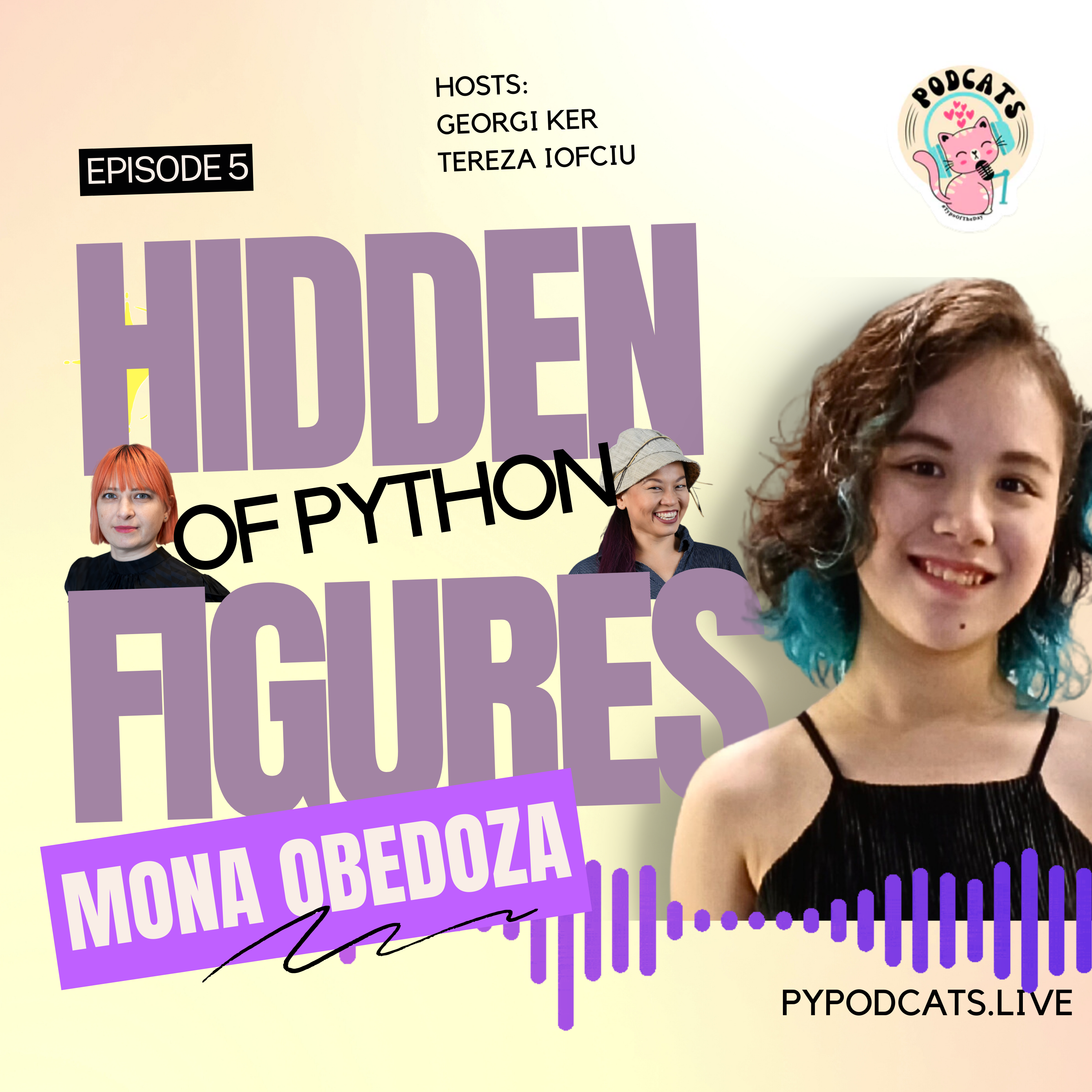
series today our guest is Mona Obedoza
00:31
and if this is your first time you're
00:33
listening to the
00:34
Pypodcats
00:35
you're probably wondering what the
00:37
PyPodcats are we are highlighting the voices
00:39
of underrepresented group members in the
00:41
Python community we have a code of conduct
00:44
which is the PSF the Python Software
00:46
Foundation code of conduct and we follow it
00:49
to help our interactions and keep Python
00:53
positive successful and growing community
00:55
and I am Tereza
00:58
I am based in Hamburg
01:00
and with us we have our other co-host
01:03
Georgi based in
01:04
Hi everyone my name is Georgi and I'm
01:07
coming from
01:09
I'm not coming from I'm based
01:11
I'm based in Amsterdam I'm coming from my
01:14
mother's womb but I'm based in the
01:17
Netherlands
01:21
so
01:23
we are in a mood today because both Georgi
01:25
and I are in
01:28
there's public holidays around here both in
01:30
Germany and Netherlands so it's a free day
01:32
it's sunny outside we're not used to this weather
01:34
so it gets to our head
01:38
so Mona would you like to do a little quick
01:42
introduction
01:43
about who you are
01:45
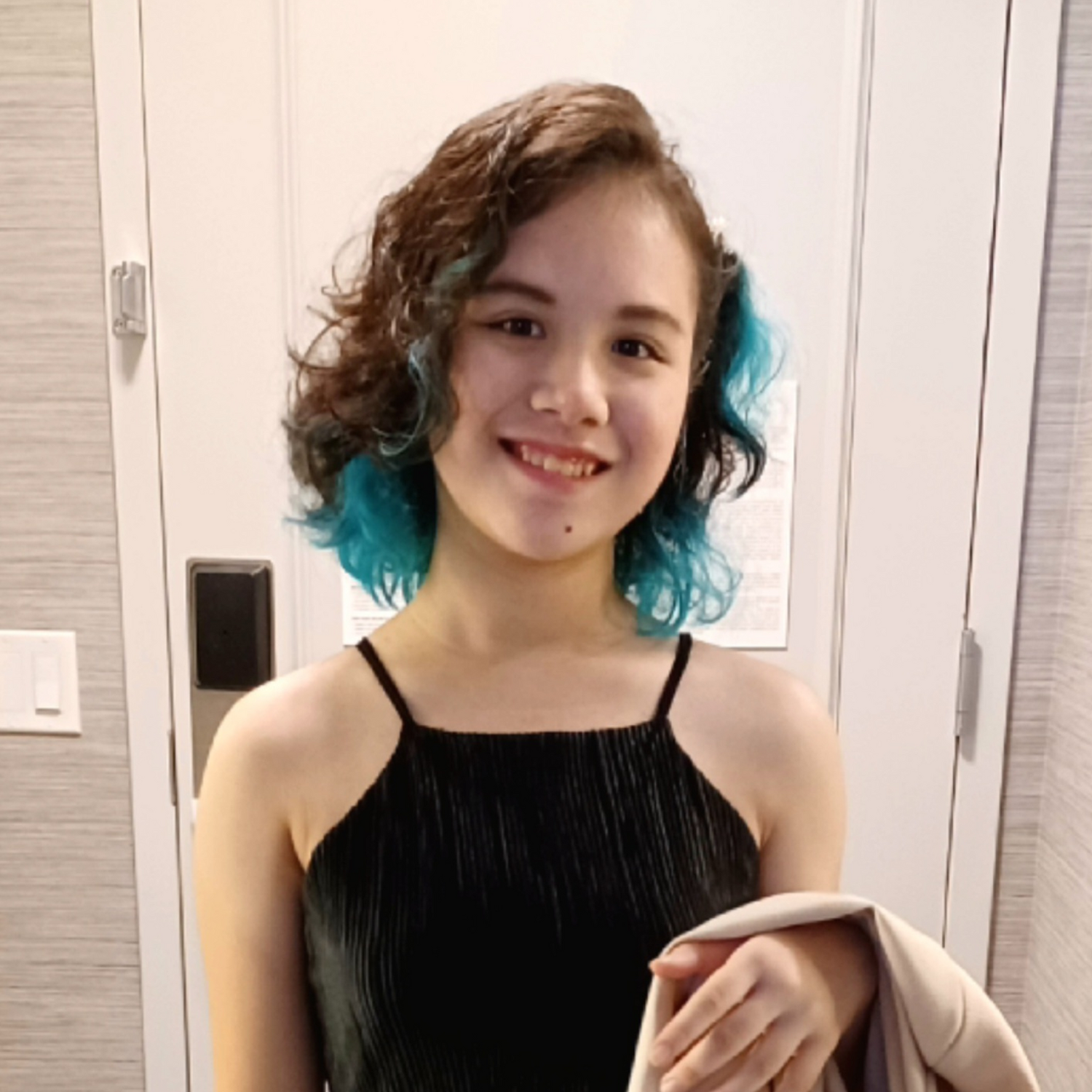
yes absolutely hello everyone my name is
01:47
Mona Obedoza I'm a high school student from
01:49
the Philippines and I study at Stanford
01:51
online high school I really love to code
01:53
I'm an inspiring artificial intelligence
01:55
engineer and because of that my advocacy is
01:57
also teaching other kids how to code and
01:59
to this end i'm also a student ambassador
02:01
for women in AI I'm the co-leader of the
02:03
Girls can Code club at my school and I'm
02:05
the founder of the Purposeful Mochii which is
02:07
a little organization I started locally
02:09
that holds workshops and hackathons to
02:10
teach kids how to code
02:11
That's very interesting Mona because I
02:14
remember I saw you the first time when you
02:18
attended one of the events
02:20
in Python Philippines and that triggered me
02:23
like whoa this girl and this young age has
02:26
started coding and knowing way more than
02:29
what I know already so I was totally
02:31
impressed to be honest and (thank you) I was like one
02:34
day I'm just gonna
02:36
approach and know a little bit more about
02:38
this little Mona here so how do you started
02:41
learning how to code and doing all the
02:44
programming
02:45
I started learning how to code around the
02:47
time I graduated from kinder I was maybe
02:49
around five years old my mom was a software
02:50
engineer at the time and so
02:52
he downloaded this app and it was like the
02:54
simple logic based game where like you
02:56
instruct a dinosaur to move in a certain
02:58
way and follow and like
03:00
use that to complete certain puzzles and it
03:01
was meant to teach me the basics of coding
03:03
and logic and that kind of thing and I was
03:05
just absolutely obsessed with it I
03:07
just played it for a very long time I think I
03:09
finished it in like one night and because
03:11
of that she let me move on to more advanced
03:13
programming languages such as
03:15
well I started blockbase fielding languages
03:16
like Tynker and then Scratch and then
03:18
because I couldn't get enough of that
03:19
either I eventually in around third grade
03:21
I moved on to
03:23
do text based programming with Python of
03:25
being my very first text based programming
03:27
language
03:27
after that I started learning more things
03:29
like HTML, CSS, Javascript, some mobile app
03:32
development with App Inventor and recently
03:34
I started taking classes at my school also
03:36
and because of that I also learned C++ and Java
03:38
Holy Moly
03:40
yeah so you know a lot of programming
03:43
languages which one is your favorite?
03:45
I think Python is definitely the one that's
03:47
closest to my heart as I said it's one of
03:49
the very first ones that I ever tried and
03:51
I remember that when I was a kid it
03:54
was really my favorite programming language to
03:55
do I would always try to make different
03:57
games with it and I had this little Python
03:58
book of games that I would always use
04:01
and even today when
04:03
when I work on some projects I always use
04:05
Python for Data Science, Artificial
04:07
Intelligence because it just has so many
04:09
libraries that are very well documented and
04:11
make it very easy to get started with all
04:12
of those things and even
04:14
when I teach kids how to code I think
04:16
Python is a really great language to get
04:17
started with because it's not too complex
04:19
you don't need to remember brackets and
04:21
that kind of thing in this kind of like
04:23
it's very simple and easy to pick up and
04:25
it's a really good way to bridge the gap
04:27
between block based programming and early
04:29
logic puzzles and data programming
04:30
languages as well wait a second because I just wrote down
04:33
here something because of your first
04:35
game being with dinosaurs do you also have
04:38
a special
04:40
affinity towards dinosaurs?
04:42
Actually I am very scared of dinosaurs I
04:45
refused to watch dinosaur movies it
04:47
scares me a lot but it's just that in that
04:49
particular game it was
04:51
a very cute little chirpy dinosaur and so I
04:53
just loved it a lot
04:54
But then in real life dinosaurs scare me
04:58
yeah I mean it's just birds that are still
05:01
around us right I mean the other ones are
05:03
all dead
05:04
it's very unnerving
05:04
so you're safe
05:06
and actually Tereza is reviving them
05:09
oh my gosh
05:11
yeah I'm just putting them on paintings
05:12
it's fine it's made up dinosaur so it's
05:15
it's fine cute perfect
I hope I hope it stays that way
05:19
so
05:20
just curious like why do you like Python
05:23
more is it really because of like the
05:26
language or are you drawn to the community
05:29
or what's the reason why you actually
05:32
prefer Python
05:33
it's really a little bit of both language
05:35
is honestly just so great it's really a
05:37
great way to get started with
05:38
programming in general get started with
05:40
fundamentals before having to worry about
05:42
complicated syntax and that kind of thing
05:43
and it also
05:45
makes really easy to get started with more
05:47
complicated topics like Data Science, AI and
05:48
alike but at the same time I also really
05:51
love the Python community I think the
05:52
Python community is really where I
05:54
started my whole journey I remember you
05:56
mentioned that you saw me at
05:58
an event several years ago here in Python
06:00
Philippines and
06:01
ithatwas probably
06:02
actually that was my very first speaking
06:03
engagement i remember i just joined the
06:05
Python tech conference because I loved
06:07
programming in Python I wanted to learn more
06:09
more and I found out that
06:11
they were having
06:12
lightning talks and so I decided you know
06:13
why not I might as well let's just see where
06:15
that takes me
06:17
and so yeah that was my very first speaking
06:18
engagement and even though I was only
06:20
around perhaps 10 years old or something
06:22
like that at the time they were all very
06:24
supportive of me I was so nervous to be
06:25
speaking in front of such a big crowd for the
06:27
very first time but they were all so
06:29
supportive and so engaged in my
06:30
presentation and they really made me feel
06:32
welcomed and appreciated and yeah clearly
06:34
what gave me the confidence to try other
06:36
speaking opportunities, try signing up for
06:38
summer camps schools and that kind of thing
06:40
where I could learn how to code
06:42
and improve my coding skills as well and
06:44
get more involved with the tech community
06:46
that's really cool
06:47
so you mentioned you got involved also in
06:49
the Python community what do you do in the
06:51
Python community currently
06:53
Generally I still do some speaking
06:55
engagements I think I've been invited to a
06:56
few speaking engagements in the past like
06:59
I've done a talk at the PyLadiesCon also at
07:01
the most recent PyCon and generally I speak
07:04
about my advocacy which is teaching kids
07:06
how to code
07:07
and I also and I also speak about my
07:10
organization the Purposeful Mochii which
07:11
does exactly that and I speak about some of
07:13
the AI projects I do as well
07:15
so tell us a little bit more about how you
07:17
teach younger people to code like the kids or
07:21
because
07:22
it passed our
07:23
our level you see so we are in the
07:26
adulthood so you
07:28
are still like in between you know I mean
07:30
so I'm really interested on
07:33
actually teach the kids code
07:36
right well I started the Purposeful Mochii
07:38
when I was pretty young and it was just
07:39
kind of like doing little coding workshops
07:41
for my friends because
07:42
we didn't really have coding lessons at my
07:44
school at the time because we were very
07:45
young and so I decided it would be fun to
07:47
just teach my friends how to code and so we
07:48
had little gatherings and coffee shops and
07:50
that kind of thing but eventually I decided
07:52
to take that further I started doing
07:53
workshops with larger groups of people I
07:55
didn't know and also younger age groups as
07:57
well and then most recently I partnered
07:59
with Accenture Philippines for the Breaking
08:01
Barriers Building Bridges Hackathon for
08:03
Girls here in the Philippines where
08:04
basically girls of
08:07
any level of experience with coding really
08:09
can come join in teams of around three or
08:11
four and
08:12
start learning how to solve problems using code
08:14
I think that hackathons are really my
08:16
preferred way of teaching kids how to code
08:18
because well first of all it's very
08:20
important more important than just learning
08:22
how to code it's also important to learn
08:23
how to use technology to solve problems and
08:25
that's exactly what hackathons are all
08:26
about you pick a problem and make a project
08:28
to try and solve it
08:30
second I also think that this improves this
08:32
increases their confidence a lot because when
08:33
you join a hackathon and you make a project
08:35
that can solve a real world problem
08:37
at the very end you're able to take a step back
08:39
and think wow I was able to create all
08:40
of this stuff I think it really improves
08:42
their confidence a lot and I think
08:44
and so that's generally what the Purposeful
08:46
Mochii has been focusing on its efforts on
08:47
lately doing hackathons and things like
08:49
that where kids can get started with coding
08:51
and find out all of the amazing things that
08:53
technology can do / Are you doing this all
08:54
alone or do you have other people helping you out?
08:57
I have some people helping me out so I have
08:59
this one I have this one friend who helps
09:01
me out with the Purposeful Mochii as well
09:03
and we just collaborate sometimes in teaching
09:06
workshops and in reaching more kids
09:08
and aside from that I also partnered with
09:10
tech companies such as Accenture like I
09:12
mentioned and also with the Python
09:14
community sometimes
09:15
and to seek more support
you know that's at another level
09:19
because you are actually getting the
09:21
companies involved
09:23
at your age like how do you actually
09:24
approach them?
09:26
well actually
09:28
well I think it just
09:30
it all started really when I just had that first
09:32
experience at the Python tech conference
09:34
and I started making connections meeting
09:36
new people and then because of that I
09:37
started being invited to more and more
09:39
things and because of that I ended up just
09:41
meeting more and more people who I'm able
09:42
to reach out to whenever I have an event
09:45
Like I get to reach out to them and ask hey
09:46
do you want to be a guest speaker for this
09:47
event and help inspire these kids and that
09:49
sort of thing so it's really just all about
09:51
all of the
09:53
conferences that I like going to and
09:54
speaking at and making connections through there
09:56
interesting
09:58
to be honest because I do have kids too and
10:00
a lot of young people some of them they
10:03
feel like coding is not cool
10:06
so it's not easy to trigger them to pick up
10:09
this because
10:11
it
10:11
gives them a perception that it's actually
10:13
hard or like it seems to be that the
10:16
learning curve is higher than other things
10:19
so how do you actually make it
10:21
accessible or make it interesting to
10:23
younger people to learn how code
10:26
I can absolutely
10:27
relate to that most of the time when I was
10:29
really young
10:30
and
10:31
a lot of the people i would talk to would
10:32
think that coding was really hard and
10:34
then coding and math and science and
10:36
especially girls they would really think
10:38
that it was really difficult and that's why
10:40
in my workshops usually I get started with
10:43
very simple things like block based coding
10:45
languages starting with Scratch for desktop
10:48
and game development they're thunkable for
10:49
mobile development to teach them that it's
10:51
really not that scary at all it's just
10:53
doing some logic and putting stuff
10:55
together and eventually you're going to end
10:57
up with this project and you're going to be
10:59
like wow how did I
11:00
do all of this it actually wasn't
11:01
that tough after all
11:03
and I think there's a misconception that
11:05
programming is all very technical stuff
11:07
algorithms match etc it's like wow I don't
11:10
want to have all these particles swimming
11:11
around in my head
11:13
but in actuality the programming is all
11:15
about you know logic creative thinking and
11:16
that sort of thing and that's why through
11:18
hackathons and workshops and that kind of
11:20
thing where i get started with very simple
11:22
programming languages and games and stuff
11:24
to begin with I hope to instill that
11:27
impression that coding is actually
11:28
something that can be fun yeah but I think
11:31
that misconception came out also from
11:33
larger companies who had the whole phase of
11:36
job interviews being algorithm cracking
11:39
so
11:40
you have to know all the algorithms by
11:42
heart and everything and that it was like
11:44
the only way to get through the door
11:46
and think that it's something that
11:48
there's a whole generation affected by that
11:50
thinking although they go in the job and
11:52
then they don't apply any of the algorithms
11:55
so that's very true yeah
11:57
but in reality the real job does not really
12:00
encompass what the interview goes through
12:04
it's true it's true I mean for you perhaps
12:07
not a level yet but I'm pretty sure you'll
12:09
be hired by some big company soon but I think
12:13
that's kind of like what Tereza has
12:15
mentioned is a very interesting issue here
12:18
that in the tech industry they tend to over
12:22
test
12:23
yeah
12:24
it's just
12:26
testing on a different aspect that is then
12:28
not really connected to the world and also
12:32
nowadays we have so so many technologies
12:35
and so many aids you don't really need to
12:38
learn exactly like what to do
12:40
yeah and it's probably exactly how Mona is designing her
12:43
courses in the end is like putting things
12:45
together and getting something done
12:46
yep absolutely that's why
12:48
I like doing hackathon so that they can
12:50
actually experience what it's actually like
12:51
to program a project instead of just
12:53
programming like a simple like some kind of
12:55
mathematical thing they actually program a
12:57
project that has a practical use and so you
12:59
get to experience all the stuff where
13:01
you're trying to come up with you're trying
13:02
to come up with creative solutions and you
13:05
end up like spending a lot of time
13:07
debugging but also spending a lot of time
13:08
designing things, ideating, brainstorming and
13:10
that sort of thing and all of the things
13:11
that make that make coding a technology button
13:13
are your courses then also available
13:16
online for like kids all over the world or
13:19
going to be available online?
13:22
well so far
13:23
I haven't done anything about releasing
13:25
courses myself with the Purposeful Mochii
13:26
although we do do some workshops and
13:28
they're mostly live workshop but as far as coding
13:31
courses go I remember that when I was young
13:32
I did a few things on Khan Academy I think
13:34
and also generally what helped me a lot was
13:36
getting programming books I had this book
13:38
of like how to make
13:39
several like I don't know around 40 like
13:41
simple sketch games and I would follow it
13:42
and I would make a lot of Scatch games and
13:44
then I had one also with Python and it
13:46
taught me how to make
13:47
If Conditions for example by making choose
13:49
your own adventure games or how to do
13:51
For Loops by doing alien invasion games so that
13:53
kind of thing and that's really what got me
13:54
interested in
13:55
coding
13:57
so games is the key
no dinosaur yeah and not dinosaurs I just
14:01
I just didn't get any dinosaurs sorry
14:04
okay but I just realized there is one instance in
14:06
which I like dinosaurs which is like the Chrome
14:08
dinosaur game you know the one where you keep on
14:09
hitting space bars and there's no internet
14:12
Google
14:15
I understand that you started coding like
14:18
really young you mentioned once to me like
14:21
five years old
yeah she mentioned like
yes I think I said that
14:23
so does looking young and being smaller
14:26
help people interact with you do you feel
14:28
intimidated sometimes if like people who
14:32
try to like you know older people start to
14:34
talk to you or things like that about the
14:36
knowledge and
or at you
14:38
yeah exactly
14:39
actually there are really pros and cons to being into being
14:42
small and cute
14:44
when I go to tech conferences
14:46
well
14:47
sometimes I feel really nervous like when I
14:48
am about to go up in front like oh my gosh
14:50
all of these people have so much more
14:51
experience than me they're so much older
14:53
than me what could I possibly teach them
14:55
but that's why I guess I'm just so grateful
14:57
that communities here are just super
14:59
supportive like the Python community for
15:00
example
15:02
they never look down at me or anything like
15:04
that they've always supported me and
15:06
invited me
15:07
to speak at the tech conferences and help
15:10
me out whenever I have a big event going on
15:12
and also being young also makes it easier
15:14
for me to talk to kids I guess especially
15:16
when I teach workshops and when I hold
15:18
hackathons I guess it helps me relate to
15:20
them more and come up with activities that
15:22
they would find fun and at the same time it
15:24
feels like being young kind of inspires
15:26
them if I can do all of these things then
15:28
so can they I guess
15:30
have you experienced being taught in the
15:32
more traditional way coding did anybody try
15:35
to teach you coding and he's like here's a
15:37
programming book let's go through it page
15:39
by page or that's right
15:42
20 programs and then you know how to code style
15:46
I got most of my coding lessons at Stanford
15:49
online high school where I currently study
15:50
and it's honestly that's actually part of
15:52
what made coding so fun for me too
15:55
the way that they approached teaching is
15:57
really cool and even when they do have to
15:58
teach fundamental things like algorithms
16:01
like the math behind it like the hardware
16:02
behind it they do it in such a way where it's
16:04
easy for me to understand what's going on
16:06
by drawing it out on the screen and showing
16:08
it step by step and it really just makes me
16:10
realize that in the end all of it is just
16:12
about logic that's really the most
16:13
important part developing that logic and
16:15
critical thinking skills after you've done
16:16
that it's easy to pick up any language
16:18
regardless of the syntax and it's easy to
16:20
understand the algorithms and all of that
16:21
so it's really all about building that
16:22
strong foundation
16:24
have you actually tried different
16:26
educational
16:27
books and like some of them actually kind
16:30
of like you couldn't get it and like when
16:32
it's exactly the same thing that you would
16:34
like to learn say for example maybe when
16:37
you just started to learn like machine
16:39
learning like other books that seem to
16:41
speak to you more than others or like
16:45
apps or anything seems to work better than the others
16:48
I think when I got started in machine
16:50
learning I used this website called Machine
16:52
Learning for kids and the way it works is
16:53
that it actually explains machine learning
16:55
to me in a very easy way because the way it
16:57
works is that
16:58
you come up with categories called buckets
17:00
and then you put in examples in each
17:02
category and then after that you can deploy
17:04
it to a Scratch game or a Python game or
17:05
something like that and so I just had so
17:07
much fun with it when I was a kid after
17:08
school I would sit down
17:09
and I would go to that site all the time and try out
17:11
all the different worksheets that they have
17:13
and all the different programming projects
17:14
that they have
17:16
and so yeah I think it was really those
17:17
kinds of online resources
17:19
that really spoke to me a lot when I
17:21
was growing up at the same time receiving a
17:23
formal education in programming was also
17:25
really helpful for me because
17:27
you know I went online to learn all of the
17:29
practical things about coding but at the
17:31
same time it was also
17:32
really important for me to go to school and learn
17:34
of the fundamentals going on behind it
17:37
maybe about that so I mean
17:40
you seem to have like your education is
17:41
like it's not just home you're not going
17:44
it's not very traditional in a sense like
17:46
you're going to school in a physical school
17:48
and probably the
17:50
I guess the online aspect of it was
17:53
triggered by Covid or would that have been
17:55
something that you would have planned
17:57
before the pandemic to
17:59
study on
17:59
I actually go to an online school with
18:01
students from all around the world so I go
18:03
to Stanford Online High school and it's
18:04
based in the US but we have
18:06
folks from
18:07
just here in Asia we have folks from Europe
18:09
and different time zones and all of that
18:10
and so that's why
18:12
all of us are online and it was like
18:14
that even before the pandemic but I only
18:16
applied here after the pandemic and yeah we
18:18
really have a
18:20
different way of learning stuff and that's
18:21
why I'm also able to learn coding at such a
18:23
young age but then
18:25
over here coding isn't part of the basic
18:27
education curriculum yet and that's why
18:28
it's part of my advocacy to make it part of
18:30
that curriculum and you know expose kids
18:32
to coding at the early young age and
18:34
of the opportunities that they don't have
18:36
yeah so cool how do you what do you do
18:39
as part of your advocacy
18:40
movement do you go like also getting
18:43
involved in politics with politicians or
18:47
because this is
18:48
sorry I mean
18:49
the future of Mona
18:51
like if you go to a normal school and you
18:54
say hey I want you to do something they're
18:55
gonna be like ah you have to write I don't
18:57
know how many forms, convince I don't know
18:59
how many people and all the children in the
19:02
school have to sign and all their parents
19:05
and their grandparents so
19:07
I think that's kind of how it was when I
19:09
wanted to change something in my school
19:11
no that's totally true though and that's
what do you do?
19:13
why I partner with tech companies to make
19:14
things like I'm making various Building
19:16
Bridges Hackathons I partner with
19:18
Accenture and that's why it's easier it's easier it's
19:20
easier to reach
19:21
more schools and you know to teach more kids
19:23
how to code
19:24
actually I've done some things with the
19:25
government for like
19:27
the DICT the Department of Information
19:30
Communications Technology once invited me
19:32
to do a little talk on Artificial
19:33
Intelligence for some of these students so it's
19:35
really hard finding to see how they're
19:38
implementing technology education already
19:41
on some government level I guess but
19:43
not part of the curriculum and that's why I
19:45
do have some personal projects in order to
19:47
make coding more accessible to kids and my
19:48
own and one of these projects actually is
19:50
this thing that I've been doing lately
19:51
called Mochii Ball Basic Algorithm earning
19:53
language and basically its goal is to
19:55
bridge digital divide and how public school
19:57
students learn how to code and the way it
19:59
works is that instead of using a computer
20:01
to write their code each student is given a
20:04
piece of paper where they can write down
20:05
where they can write down
20:07
their program basically and then after that
20:08
the teacher will just scan it and upload it
20:10
onto one computer and run it and that way
20:12
students will be able to see it come to life on
20:14
the digital screen but at the same time it's not
20:15
the case that you need 40 computers for one
20:18
classroom you actually only need one for
20:20
the teacher and all of the students will
20:21
write it down on paper so
20:23
you get that whole thing where you get to
20:25
see the code in action on your computer and get to
20:27
think wow that's really cool and also go
20:29
through the debugging process but at the
20:30
same time it doesn't require that much
20:32
technical infrastructure making it more
20:34
accessible through public schools and rural
20:35
communities
20:37
hmm that's very interesting because that
20:39
actually solved the problem of having like
20:41
multiple laptops available in each
20:43
classroom so it kind of save cost
20:46
when I learned programming in school we had
20:49
programming class and we were learning
20:51
Pascal on whiteboards blackboards actually
20:53
back then but it was like you never knew
20:55
what was gonna happen if it was working or
20:57
not so you only relied on the teacher so
21:00
yeah and then I think that's cool with
21:01
Mona's project
yes I think that's really something that I
21:03
wanted to emphasize a lot with Mochii Ball
21:05
because in traditional unplugged
21:07
programming exercises where you write down
21:08
stuff on paper usually you're not able to
21:10
see the output but then when I taught
21:12
Mochii Ball at the
21:13
local public school I think the moment when
21:15
the magic happened for those kids was
21:16
really when
21:18
I uploaded the code onto the computer and
21:19
they were able to watch it run and they
21:20
were all like wow that's so cool and I
21:22
think that's really one of the most
21:24
important moments in fair gaming when you
21:26
actually get something to work when you
21:27
actually see that Hello World printed for
21:29
the first time or you see something moving
21:30
on your screen for the first time and it's
21:32
like wow that's just so awesome you know
21:34
and it motivates people to like try it out
yeah
21:37
yeah because I think
21:39
a lot of the developers spend a lot of time
21:43
getting that to happen
21:46
the success has to happen
21:49
so that's called debugging
21:53
I hope that wouldn't demotivate a lot of
21:56
young people because it's just a daily part
21:59
of life
22:02
the debugging actually the debugging is
22:03
actually one of the fun parts because even
22:05
though it's super frustrating when you
22:06
can't get it to work it's always so relieving
22:08
when you finally see wow this area
22:10
was solved now it's a different error
22:12
that means I'm making progress and after
22:16
that one it's finally they finally actually
22:18
worked it's just like oh my gosh I can sleep now
22:20
that's so so true I guess it happens to
22:23
every one of us it's like sometimes it
22:26
sounds just so easy and then sometimes it
22:29
just takes for hours and days you just
22:32
couldn't figure out what went wrong and then you just keep
22:34
tgoing back over and over and
22:36
over again the day you actually found out
22:39
what happened it was like wait what
22:45
why didn't I see that?
22:47
it's usually useful to sleep on it
22:50
yeah recently my friend was working on his
22:53
computer science project and
22:55
he was at it for like several hours only to
22:57
realize that the problem was that he used
22:58
two equal signs instead of one equal sign
oh
23:04
right
23:05
sometimes two doesn't mean that it will be
23:08
extra sure
23:12
so I was just interested because you
23:14
mentioned about this project and I also
23:17
heard about your project TEDDY so you seem
23:19
to have a lot of projects going on
oh yes absolutely
23:22
I would like to touch a little bit more, ask
23:24
a little bit more about project TEDDY but
23:26
before that can I ask how many projects are you
23:28
currently holding right now like
well
23:31
I think I do a different I do a
23:33
different project every year because I like
23:35
joining tech competitions every year and
23:37
whenever there's a prompt and I have to
23:38
solve a problem for something it always
23:40
gets me thinking about how I can adjust it
23:42
and I end up having a new project every
23:44
year but I think the ones that are
23:45
like currently ongoing and that I'm currently
23:47
like well we actually made it past the prototype
23:49
stage in the recent years and I'm working
23:50
to take it further are TEDDY the Text Based
23:52
Early Stress Detector for Youth which
23:54
uses artificial intelligence to assess
23:56
whether a student might have a mental
23:57
health concern and Mochii Ball the one I
23:59
was just talking about a while ago that's
24:01
aimed to help bridge the digital divide and
24:03
help public school students in learning how to code
24:05
I love this idea totally
24:07
yeah so now
24:08
so now tell us more about TEDDY
24:11
yes absolutely so TEDDY it's short for the
24:14
Text Based Early Distress Detector for
24:15
Youth and the way that it works is that you
24:17
upload an essay schools will upload an essay
24:20
written by a student and then it's going to
24:21
go through it line by line and use
24:23
artificial intelligence to determine
24:24
whether the student might be at risk for
24:27
depression or self destructive thoughts and
24:28
that kind of thing so that school
24:29
counselors will be able to approach
24:32
students accordingly and so i guess
24:34
and yeah I guess the way that it works is
24:36
that it's able to help connect students who
24:38
are in need with counselors and help
24:40
counselors figure out which students they should
24:42
they should reach out to and that way
24:44
hopefully
24:45
prevent mental health concerns from
24:47
escalating
24:48
how did you come up with the idea
24:50
I know a couple of people in my community
24:52
with mental health concerns who opened up
24:54
to me about it and I guess that really
24:56
inspired me to try and connect
24:58
them with the appropriate with the help
25:00
that they need
25:01
in order to get through that I guess and I guess the
25:03
main problem with that is that
25:05
when people have mental health concerns
25:07
it's always it's always really challenging to try and
25:08
reach out to the appropriate support and so
25:10
with TEDDY I hope to make it so that it's
25:13
easier for counselors to figure out which
25:14
students to reach out to and to
25:16
help give them the support that they need
25:18
but then students need to actively opt in
25:21
for their data to be processed right to say
25:24
like I want in case there's something that I need
25:26
yep absolutely
25:28
and that's why we've been trying to work
25:30
closely with schools
25:31
in order to work on those privacy concerns
25:33
and that sort of thing
25:35
when applying TEDDY
25:37
right
25:38
I don't know much about the educational
25:40
system in the Philippines but do you have
25:43
like a counselor in every school or are they
25:49
set like you have to go by for appointment
25:52
or things like that for schools
25:55
yes we do have counselor for every school
25:56
and the problem really is that for one
25:59
counselor there are like hundreds of
26:00
students
26:01
who
26:02
they have to worry about and like
26:04
if they have to read the reflection papers
26:06
for example
26:08
by like several hundred students they're
26:09
probably going to miss a few who really
26:11
need help and
26:12
that's what TEDDY is for it's to
26:14
accelerate that process kind of using
26:16
artificial intelligence and basically show
26:18
which students
26:19
seem to be in most dire need of
26:21
support of course that's still up to the counselor's
26:23
judgment in the end because human judgment
26:24
is of course really important
26:26
in these kinds of situations especially
26:28
when actually talking to the student that's
26:31
where the counselors really come in but
26:32
with TEDDY hopefully it will make it a lot easier
26:36
to identify which students need help
26:38
Have you actually tested this pilot yet or
26:41
Yep we have tested it at my school we
26:43
surveyed a bunch of people and had them
26:45
write some essays and then
26:47
after that what we did is that we ran them through
26:50
TEDDY and then put the results there and
26:51
then we also asked the counselors like
26:59
to verify whether TEEDY was accurate or not
27:01
and it was actually really accurate even
27:02
some essays that look like they were just
27:04
about regular innocent topics like
27:06
superheroes or that kind of thing
27:08
and it didn't look like there was any
27:09
concern at all TEDDY was able to catch a
27:10
concern and the counselor confirmed that
27:15
so it proves that it's actually a very
27:17
accurate technology
27:18
did you ever have the situation where a
27:20
student is flagged
27:21
maybe having
27:22
some struggles but then the student denies
27:25
having the struggles like they do not want
27:28
to be labeled like that is that also
27:31
something happening
27:32
I'm actually not sure we weren't able to
27:35
take TEDDY that far in my school yet and
27:37
that's why and that's why we've also been
27:39
looking for more schools that we can
27:40
partner with in our day to get TEDDY out
27:42
there and try out these kinds of situations
27:44
have you ever thought of like expanding
27:46
this project like worldwide to other
27:48
schools around the world ?
27:49
yes absolutely the team that worked on
27:51
TEDDY or other students in my school a lot
27:53
of them are actually the rest of them are
27:54
from the US and so they've also been trying
27:57
it out in schools in the US and like
27:59
schools that they're aware of in the us and
28:01
we'll see where it takes us
28:02
so what's the hurdles that you have to
28:06
jump for this project right now?
28:09
the main thing is finding a school that's
28:11
willing to work with us I guess
28:13
that's why it's actually good that I'm
28:14
able to bring up TEDDY during this podcast
28:16
because hopefully
28:18
if anyone is interested in reaching out and
28:19
then trying to pilot TEDDY in their school
28:23
or in our community or in our community
28:24
TEDDY is available at teddy-technovation.streamlit.app
28:26
teddy-technovation.streamlit.app and so if you want to
28:28
go check it out and then leave us a message
28:30
if you would be interested in piloting it
28:32
and exploring it further
28:32
is there a specific age group like for
28:35
TEDDY or any
28:37
any schools like
28:39
universities
28:40
high schools primary schools everything is
28:43
applicable ?
28:44
theoretically
28:45
we're hoping to expand it to everyone not
28:47
just schools but also workplaces as well
28:49
but right now we're mostly focusing on high
28:51
school students because actually though
28:52
that's kind of data that we collected and we're
28:54
working with
28:55
maybe it would work out also for the
28:56
PyLadies community
28:59
maybe
hmm
29:00
yeah
29:01
it could be like it could run as a PyLadies
29:03
workshop and then everybody writes a short
29:05
essay and then sees it in action
29:08
okay this is
29:11
and then you're like
29:13
I don't know what the labels that are
29:14
coming out of
29:16
surprise
29:19
99 percent
29:23
everybody's depressed
29:27
everybody's struggling everybody's getting
29:29
a burn off yeah
29:30
tech world so I think
29:32
yeah interesting for grown ups it's
29:34
quite
29:37
different data set yeah
29:39
I think that there is actually a big issue
29:42
related to mental health especially for the
29:44
tech industry
29:46
workers
29:47
which is
29:48
developers and programmers included so it's
29:51
something that unlike health
29:53
like physical health problems it's really hard to
29:57
identify
yeah that's absolutely true with
29:59
physical health problems if you were
30:00
stabbed at something and you're bleeding
30:02
everyone will be able to see it but then
30:03
with mental health problems even if you're
30:05
you know even if it's if it's really reach to the
30:07
crucial point already it's really it's really
30:09
tough for other people to identify
30:11
I'm loving TEDDY so we should have this tag
Thank you
30:14
line called I'm loving TEDDY
30:17
but I don't think it's just the tech
30:19
community I think it's everywhere
30:21
there's a lot of domains are facing changes
30:25
way faster than before and people are
30:28
getting you
30:30
know they feel unstable about their job
30:32
insecure about their job situation and that
30:34
affects them and everything
yeah yeah
30:36
I guess in our generation right
30:38
now it seems to be better than like 20
30:41
years ago because it's almost unheard of
30:43
mental health it's like no
yeah it didn't exist 20 years ago right no
30:46
no no
30:47
everybody was healthy
30:48
yeah everyone's healthy and like say what's
30:51
wrong you just have to bite and
30:55
get through this problem that's all
30:57
man up
30:59
man up or like
31:01
get over it
31:03
yeah get over it like
31:04
get yourself together don't be so sensitive
31:06
Georgi
31:07
yeah
31:10
another thing that I wanted to ask before
31:12
that was that your learning
31:14
journey
31:15
because you did mention before that
31:18
your mother is also a software engineer so
31:23
does that actually help you or does she
31:25
actually like specifically gave you
31:28
games that's related to coding or you just self
31:32
picked it up and like get more interested
31:35
in programming you know what I mean
31:37
oh yeah well she helped me out a lot really
31:38
she was the one who decided to teach me
31:40
coding when I was really young and she
31:42
found this app and then she gave it to me
31:44
and she also supported me all throughout my
31:45
journey when i expressed interest in it she
31:47
gave me books and that kind of thing she
31:48
connected me with opportunities
31:50
like hey there's this competition here that
31:52
you might want to try or this summer camp
31:53
that you might want to apply to and so all that
31:55
aside she's also really been my inspiration
31:56
all throughout i guess and
31:59
she's really my real model in life honestly
32:02
she also took me a few programming
32:03
fundamentals
32:04
and also and other STEM stuff when I
32:07
was growing up I remember
32:09
yeah i remember we would usually sit down
32:11
and then she would teach me some things I
32:12
remember she was showing me when I was
32:14
really young how recursion worked and
32:15
writing down on a piece of paper so I
32:17
could follow along and so yeah she was really
32:20
because of that I really had the support
32:22
to learn more about programming and
32:23
technology and that's really what inspired
32:25
me to try and give that same kind of
32:27
support to other kids who don't necessarily
32:29
have that kind of background
32:30
does she encourage you to do other things like other
32:32
hobbies or
32:34
like let you go let loose and just like try
32:38
everything Mona
32:40
yeah she does encourage me well she
32:42
encourages me not to stress so much about school and
32:45
extracurriculars and that kind of thing and
32:46
to play video games, reading books and do
32:48
other and you know
32:50
just also have fun with my life and that
32:52
kind of thing programming is definitely
32:54
very fun but she also encourages me to let
32:56
loose and de-stress a lot
32:59
do you have any hobbies other than
33:01
well
33:03
than programming and learning
33:06
in school
33:07
which I guess for some people is not a
33:10
hobby but anyways
33:14
well let's see my hobbies I like reading
33:16
fantasy books lately I've been getting into
33:18
Brandon Sanderson's work and the Cosmere
33:20
Universe and the Stormlight Archive
33:22
I've been a really big fan of this lately
33:24
I've also been into I'm also watching
33:26
Anime, reading manga
33:28
and also listening to rock music and baking
33:30
chocolate chip cookies for my family
33:33
so maybe on our
33:34
podcast we can
33:36
share also for the first time a recipe do
33:38
you have a special recipe for the chocolate
33:40
chip cookies? is it like a recipe?
33:41
oh yes I do have a recipe
33:42
oh my god okay cool
33:44
I don't know how to describe it
33:46
I don't know how to describe it on
33:47
audio though I think it's just in a book
33:48
no no you you will send it to us you will
33:49
send it to us we just put it on the web
oh yes I will send it to you guys
send it to us and we post it on our website
33:53
posted yes exactly it's going to be the
33:55
Mona Obedoza Chocolate Chip cookies
33:57
wow
33:58
all right
33:59
I truly believe that women should
34:02
name things more often after themselves
34:05
absolutely
you know
34:07
exactly so there we go but I'm just saying
34:09
more women should do it
absolutely
34:12
so Georgi I know Georgi should also
34:15
use like for for example on tweet on
34:18
Twitter I think Georgi is really famous
34:20
for espresso with orange juice and that's
oh wow
34:24
yes if you go on her twitter you will see
34:26
that she's having she's posting different
34:28
pictures of that almost daily
I just posted one today
34:31
exactly so I
34:33
I tried to imagine what espresso
34:34
with orange juice tastes like
34:36
there you go there you go
34:39
well it's actually really easy, very easy so
34:43
you need fresh orange juice so you have a
34:45
glass of fresh orange juice and then you
34:47
just order a double espresso and you just
34:51
pour on top over it slowly and then you'll
34:54
get this double layer like the top layer of
34:57
the espresso and the bottom layer orange juice
35:00
so when you use a straw to drink you
35:03
actually pops down it has a combo of
35:05
espresso and orange juice it's the best for
35:09
the morning because you don't want to be
35:11
awake and you want to be alive so that's
35:13
that's my secret and I'm
35:16
and I heard that in order
yes but I'm not allowed to drink
35:18
you're not allowed to drink coffee yet?
35:20
yes i'm not allowed to drink coffee yet unfortunately
35:22
if i were i would try this instantly
35:24
but you can have decaf
35:27
espresso
35:27
oh yes okay I will try decaf espresso
35:30
orange juice so it's the next thing on my
35:32
on my drink agenda
35:34
and I think that the secret to having this
35:37
layered effect because it's not really
35:39
putting slowly might still not cut it
35:41
because it's also temperature wise they
35:43
have to be
35:43
is to pour with a spoon like you have a
35:47
teaspoon and then you pour it in the spoon
35:49
and that breaks down the gravity and stuff so
35:53
there goes
35:54
I usually prefer those
35:57
orange juice that has like fresh freshly
36:01
squeezed so you have the sap
36:03
so with the sap that's weight so when you
36:05
pour over it will just lays down
36:08
easy yeah there you go
36:09
there you go
36:11
so Mona what are some of your goals in the
36:13
future it feels like you have a lot of
36:15
intention in your life compared to at least
36:17
if I remember when I was your age
36:19
I don't remember what I wanted back then
36:22
but it feels like you really know what you want so
36:26
where are you going next what are you gonna do
36:28
well right now I'm in 10th grade in a
36:30
couple of years I hope to go
36:32
to university abroad I'm aiming for like to
36:34
get into like Stanford or MIT or that kind
36:38
a school abroad and learn more about
36:39
programming and technology so that I can go
36:41
back here and then teach more kids how to code
36:44
and all the things and share all things that I've learned I guess
36:46
and I guess
36:48
another another goal of mine is to pilot Mochii Ball
36:51
in more schools so I'm currently
36:53
I'm currently working with a tech company to
36:54
pilot it with some schools locally but
36:56
we're just getting started and I hope
36:58
and I also have to mention it here and
37:00
if anyone wants to try it out in
37:02
your own school or community you can also
37:03
reach out to me because we're really trying to
37:05
spread Mochii Ball and pilot it this
37:08
year so that's another more immediate goal
37:10
of mine to get this Mochii Ball to get
37:12
programming technology integrated in the
37:13
basic education curriculum by making it
37:15
more accessible to kids and also more fun
37:18
hmm right so our podcast is listened to by
37:22
a huge Python community
37:24
so if you other than this
37:26
project
37:27
that you mentioned if you have any other
37:30
help that you need I'm pretty sure they
37:32
will help out just tell us, tell us
37:38
what you need
wow thank you so much
37:40
thank you and I guess there is just one
37:42
more thing aside from Mochii Ball and TEDDY
37:44
as I mentioned I partnered with Accenture to
37:46
hold the Breaking Barriers Building
37:48
Bridges Hackathon for girls and teach more
37:50
girls how to code and how to work on their
37:51
own projects to use technology to solve
37:53
problems
37:54
and if anyone knows a school in the
37:57
Philippines or even abroad we can try to
37:58
extend abroad too that would be really fun
38:00
if anyone knows a school who might be
38:02
interested in sending a team to join this
38:03
hackathon then do let me know as well
38:06
and yeah that would be
38:07
that would be really awesome
38:08
when is the hackathon?
38:10
it's held every February to march every year
38:13
okay
38:14
so it's for next year now
38:15
yep it'll be for next year
38:17
so there's plenty of time for people to plan
38:20
yes absolutely maybe you can even be guest speakers at the next
38:24
hackathon I think you guys would be really
38:25
inspirational
38:27
we can even get all the PyPodcats hosts
38:32
all four the combo
38:35
mega combo
38:36
yes that would be fun
38:38
thank you so much Mona I see that we
38:42
we come to the end of this
38:45
podcast here in
38:46
podcat's
38:47
podcast
38:48
so
38:50
is there anything else that you would like
38:52
to address to our listeners here before we
38:56
end this podcast
38:58
There's something I can think of right now so all I
39:00
guess I just wanted to say is thank you so much
39:03
it's really been such an honor to be here
39:04
and it's been super fun talking to you guys
39:06
and so thank
39:07
you for the invitation
39:08
yeah thank you for joining us
39:10
yeah thank you for joining us and we hope
thank you
39:13
to see you soon somewhere around the
39:15
community I'm sure
39:17
it will be real soon
39:19
yep
yes absolutely
39:21
thank you everybody for listening and see
39:24
you next time bye
39:26
bye everyone thank you so much