00:20
Welcome to PyPodcats for our first episode of
00:24
2025 in the Hidden Figures of Python series.
00:28
The purpose of this podcast, as you
00:30
might know, is to highlight voices from
00:32
underrepresented group members of the Python community.
00:35
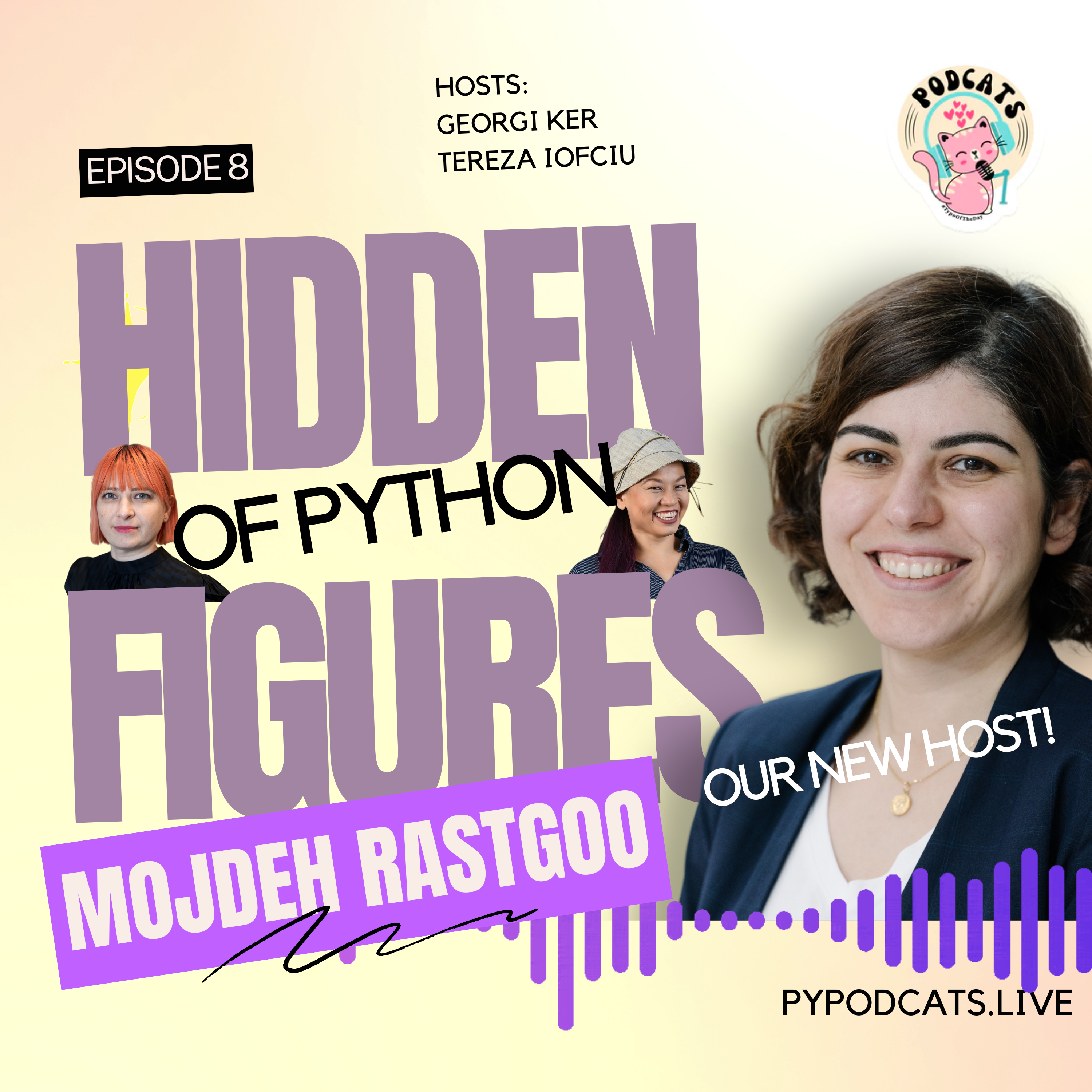
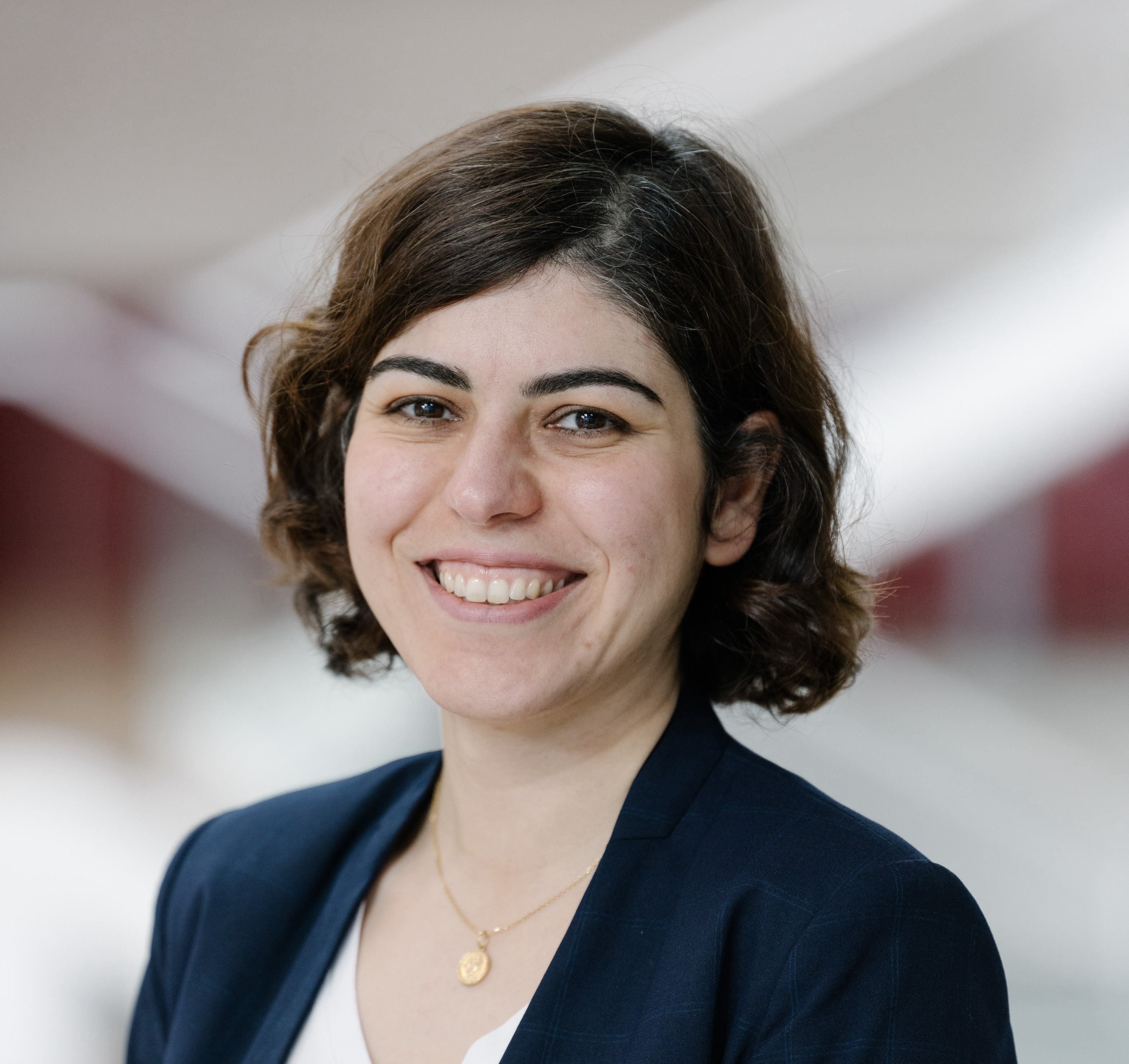
Today we have a special guest,
00:37
Mojdeh, who just joined our organizing
00:41
She's joining our organizing group.
00:43
And today's podcast is a little bit about
00:46
short recap of 2024, introducing Mojdeh and letting
00:50
you know what are our plans for 2025.
00:54
And also if you want to support
00:56
the podcast, how can you do that?
00:59
We are now five organizers and we did want to
01:03
have this one episode like we did last year.
01:06
Our first episode was with all the hosts
01:08
in one, kicking it off and everything.
01:11
But it turned out to be impossible to get all the five of
01:14
us in one time zone in one room at the same time.
01:18
We are so distributed all over the world.
01:21
So today is just Georgi, me, and Mojdeh.
01:25
We can start with a short round of introduction.
01:27
Maybe some.
01:28
Maybe some of you still remember
01:29
Georgi from the previous episodes.
01:31
Georgi, do you want to say what
01:33
are you up to these days?
01:34
Who are you these days?
01:35
Are you the same person like last year
01:37
or have you changed a little bit?
01:39
Yep, I still have my nose, my eyes and
01:41
my mouth and still doing the same thing.
01:45
One of the Directors for PSF and this year I pick up.
01:49
I think actually last year I picked up
01:50
a new role as the Treasurer too.
01:54
Actually, both me and Tereza, we are leading
01:57
the Diversity and Inclusion workgroup this year.
02:01
So that's something new on our side.
02:04
So Tereza, you want to tell everyone a little
02:06
bit about what you are doing this year?
02:08
Yeah, I guess for me a lot of things have changed.
02:11
I took a break from the Code of Conduct work
02:13
group and I also am experimenting with an unconventional, let's
02:20
say, work path, so to say I'm trying to become,
02:24
I'm working this year as a freelancer compared to the usual
02:29
9 to 5, which is hard because I live in Germany
02:33
and Germany is not a country that encourages freelancing.
02:38
So for a person that does not like
02:39
to do paperwork, this is a especially hard.
02:43
That is true.
02:43
Paperwork is kind of tough.
02:46
Yeah.
02:47
So I'm freelancing as a Data Career
02:49
Coach, in case people are wondering.
02:51
Right.
02:51
I actually took a break this year too.
02:54
I'm just really, really tired and I feel like I really
02:58
needed a break and sort things out and do some cool
03:01
projects which I'm not going to review right now.
03:04
Until when it's out, then we can talk about it.
03:07
But you know what?
03:08
We should talk more about Mojdeh
03:10
today because she is our new member.
03:14
And there's a lot about Mojdeh
03:15
that we should actually know.
03:18
So should we call you Moj or Mojdeh?
03:22
As you wish.
03:23
My close friends call me Moj, but.
03:25
And my full name is Mojdeh, so.
03:27
And Mojdeh sometimes is difficult, so Moj is fine.
03:31
Okay, Mojdeh, you could just tell
03:33
us a little bit about yourself.
03:35
Yeah, I am really happy to be
03:37
part of PyPodcats team this year.
03:40
So I'm originally from Iran.
03:42
I'm Iranian, I'm living in Paris and I'm 37.
03:50
Getting close to 40.
03:52
Then what about me?
03:55
I have a Bachelor in Electrical Electronics, master in
03:59
Computer Vision and PhD in Computer Vision and currently I'm working
04:04
as a data scientist project manager in Saint-Gobain.
04:08
And I love the community, so I try to
04:11
be part of the community whenever I can.
04:14
You are also part of the Code of
04:15
Conduct workgroup with The PSF, right?
04:17
Yes, I am part of the Code
04:19
of Conduct and thank you, Tereza.
04:21
You introduced me to the work group.
04:22
I think it's been two years now and
04:24
yeah, I'm still working with the work group.
04:27
I know what Saint-Gobain does, but maybe you can
04:30
actually talk a little bit because I have this
04:32
impression that they only do glasses, windows and glass.
04:37
So I was like, are you doing windows
04:39
and glass. Data about windows and glass?
04:42
Yeah.
04:43
So this year is the 360 anniversary of
04:47
Saint-Gobain and Saint-Gobain is umbrella that they doing.
04:52
They produce glass, originally started with that.
04:55
But any other construction materials.
04:57
As a data scientist, any projects for any other
04:59
business of Saint-Gobain that they require analysis
05:02
of their data or machine learning model.
05:04
So it can be for the glass furnace, it
05:07
can be for distribution, e commerce, you name.
05:11
Whoa, interesting.
05:12
So most.
05:14
There is one thing that I'm curious about a little bit.
05:17
So you said you are from Iran.
05:18
I think all of us here are not from where we live.
05:22
So we're from another place.
05:24
How did you get to Europe or
05:27
why did you come to Europe?
05:28
That's a nice question.
05:30
So I was fortunate enough to get a
05:32
scholarship and this scholarship I think still exists.
05:36
It's called Erasmus Mundus Scholarship for Master
05:39
program and they provide specific scholarship for
05:44
For any students outside of Europe.
05:47
So I was lucky enough to get into one program
05:50
and the program is an amazing program because it allows
05:53
you to travel through different countries and different universities and
05:57
so you get to make new friends and then if
06:00
you're lucky, you get to stay and continue for thesis.
06:05
I remember The Erasmus program.
06:07
When I was doing my PhD in Hannover, it was.
06:09
I knew about Erasmus as the Erasmus parties.
06:13
So there were a lot of parties.
06:15
Yeah, obviously there are, but you have to study too.
06:24
So tell me a little bit about how you get to start.
06:28
Start to get involved with Python, the
06:31
language or even like the Python community.
06:35
Yeah, so I joined Euro SciPy conference back in 2016.
06:42
So and then yeah, I started really using Python
06:47
from then and then getting to know the community
06:50
and this conference was a great opportunity to meet
06:52
a lot of open source contributors that they were
06:57
also teaching introduction to Python and scientific Python packages.
07:02
So since then I got to know the community and
07:05
then I helped a couple of years after helping organizing
07:10
the same conference and then we had a chance to
07:13
have JupyterCon in Paris a couple of years ago.
07:16
So we helped organizing JupyterCon and then from there, yes,
07:24
I was part of the community and trying to help.
07:26
And also I think within Euro SciPy I
07:31
got to know about PyLadies and later on
07:35
I became a member of PyLadies Paris.
07:37
So that was really nice.
07:40
Which year was that?
07:42
So this was 2020.
07:44
2020.
07:46
Oh wow.
07:47
I'm actually really curious.
07:48
I think for a lot of people it's not really
07:51
clear what does Python have to do with glass?
07:57
I'm really looking through my window right now.
07:59
I don't see any Python code, hidden messages.
08:04
Maybe in the future you will have like
08:06
a screen as a glass and then.
08:09
Is that what you're working on?
08:11
Unfortunately, no, no, not yet. Not yet.
08:16
No, no, no, it's.
08:18
I think it's. It can happen.
08:21
I think it's the life of a lot of people
08:23
actually currently in tech and I mean in the community
08:28
that yes, you have your carreer that is in industry
08:33
and then you also like the community.
08:35
So you try to be active in.
08:36
But your company, where you're working, your
08:40
institute is using Python for research or.
08:43
Sure, sure.
08:44
We have, I think we have research centers,
08:47
we have data science team, we have.
08:50
Yeah, we do.
08:51
We also do a lot of internal development.
08:54
For instance, I mentioned one that. Yeah.
08:57
How to optimize the energy consumption,
09:00
how to reduce the CO2 footprint.
09:02
So these are things that we do.
09:05
I think this is interesting because most of the
09:07
time when we are in our little bubbles in
09:10
tech, we usually only interact with people that build
09:12
software and very few people sometimes you meet that
09:17
are coming from a hardware also producing hardware industry
09:23
and that's a little bit more manufacturing and so
09:26
it's always interesting to see the use cases.
09:29
Sometimes I think we also have guests who actually
09:32
fiddle with more on like the IoT side.
09:35
And it's also interesting because these are
09:38
things that it's not commonly talked about.
09:42
We are usually talk mostly about the data,
09:44
talking about the language and not really about
09:47
something else that Python can be used for.
09:49
So that is why it's actually very
09:51
interesting to know more about that.
09:54
But I have another question to ask
09:56
you, which is more about PyLadies Paris.
10:00
I mean, not many people actually
10:03
knew that I'm French, but.
10:07
I'm French, but I live in Netherlands and I've
10:11
never actually been to any PyLadies Paris event.
10:16
Oh, we have to invite you.
10:18
When is the next time that
10:19
you're planning to travel to Paris?
10:22
Well, I actually do go to France quite often,
10:25
going back like a few times a year. Yeah.
10:28
So tell me a little bit more.
10:30
Like, how often does the PyLadies Paris events
10:34
go on and what do you do?
10:36
Yeah.
10:37
So the chapter existed way before I joined.
10:40
And so I think during COVID the organizers
10:45
organized a couple of online events and I
10:47
joined just at 2020, just after Covid.
10:50
And since then we started with as two organizers,
10:54
then we became three and now we are five.
10:56
So we are happy.
10:58
Yes.
10:59
And so we try to have meetup every other month
11:03
and also sometimes workshop for contributing to open source.
11:08
So we try to mix these two
11:11
together and obviously trying to have speakers,
11:15
female speakers or from underrepresented groups and.
11:19
Yeah, talks about Python.
11:20
Oh, something new that we
11:22
started doing since last year.
11:23
We try to have lighting talks.
11:25
So we try to encourage the audience
11:28
that participate and come talk for three
11:31
minutes is still, you know, growing.
11:35
But we do see a couple of attendees that
11:37
are comfortable enough to present a lighting talk.
11:41
So that's nice to see.
11:42
Well, that's actually a great idea.
11:44
I think I remember recently I
11:46
went to this PyCon Taiwan. They had this.
11:50
I mean, most PyCon had lightning
11:53
talks, but they're a little unique.
11:56
They came out with the idea of like doing a countdown.
12:00
So when it's like almost time,
12:02
you have like 10 seconds left.
12:05
Everyone from the audience would go, 10, 9, 8.
12:09
And it was so funny because it just makes
12:12
everybody go like, oh, no, no, no, no.
12:14
And then just speed up and.
12:16
And do really funny things.
12:18
But I guess it's not going to work, probably for PyLadies,
12:24
because we want them to have the courage to come up
12:27
and to just at least try to speak or show or
12:32
talk a little bit about what they're doing.
12:34
That's why I think skipping
12:36
the countdown will be better.
12:37
Yeah. Yes. Yeah.
12:39
We are still searching to how to encourage
12:42
our participants to be more active and I
12:45
think hopefully we will figure it out.
12:47
But yeah, I'm going to get in touch, Georgi,
12:50
to invite you for episode of PyLadiesParis.
12:55
Okay.
12:56
I will be happy to look forward to it.
12:58
So what are you currently working on?
13:00
Oh like projects or things?
13:04
My own project at work.
13:07
I'm busy with work and stuff. Yes.
13:10
So and then I'm reading this book that I'm
13:15
soon going to finish and I want to make
13:19
one page or two page summary of it.
13:21
You know, just words or sentence.
13:23
So that's my current project.
13:26
Yeah, I guess that's it.
13:28
I'm not doing other stuff.
13:30
Which book are you reading?
13:31
I think the name is that Think Again.
13:35
So I'm reading Think Again. Yeah.
13:38
Thanks Tereza.
13:40
You recommended it.
13:42
It's a book, Georgi, about that we
13:46
should change our mind more often.
13:48
I was just talking with my partner recently about that.
13:53
The only time we could expand and change
13:56
is to get out of our comfort zone.
13:58
And that is a change.
13:59
And a lot of times we are so comfortable with the regular
14:04
thing like what we are used to and making that change is
14:09
kind of like fear of what we are not expecting.
14:12
I think we are also kind of
14:13
like very strong culture of being right.
14:17
Yes.
14:19
And that's like very uncomfortable to accept that
14:22
you might be wrong and just to accept
14:24
that you don't know everything about everything and
14:27
be vulnerable out there with that.
14:29
So I think that's kind of setting up us
14:33
for not wanting to take risks sometimes without ego.
14:37
I think personally that will be the kind
14:39
of the new future where people will learn
14:42
to accept that they are not the best.
14:45
Because not even leaders needs to know everything.
14:48
I mean no one knows any everything.
14:50
You don't, you have all the language models.
14:52
You don't need to know everything anymore.
14:54
Yeah, exactly.
14:56
I wanted to say that it still is important
14:58
that even if you hear it from LLM or
15:00
read it from LLM, you question it.
15:02
So I mean the, the debate is old.
15:06
Like old in a sense.
15:08
I think when we were in school it was Wikipedia.
15:11
They were saying don't do your homework.
15:12
Copying from Wikipedia.
15:14
Because it wasn't.
15:15
Because it's like the easy way out.
15:17
It was most of the time because it's
15:19
a human built encyclopedia and it's prone to
15:23
subjectivity and it might not be objective sometimes.
15:27
And I think that's the same.
15:28
The LLMs are trained on public data
15:31
that people are producing and sometimes that's
15:34
also wrong or the inferences are wrong.
15:37
It does not.
15:38
I mean, happily, you know, the problem that we still have
15:42
to think about stuff doesn't go away, which means that if
15:47
we do that, it's good for our brain health.
15:49
Otherwise, if we would have everything done for our
15:52
brain and our brain doesn't have to do anything
15:54
anymore, we would grow old very fast.
15:56
Totally.
15:57
Yeah.
15:57
And denial at 6, at 40,
16:00
you're already like, I don't know.
16:02
I don't know if you've seen a lot of
16:04
cartoons already showing this kind of jokes where they
16:07
are saying, like, people in the future will not
16:09
know how to think because they'll just get the
16:11
LLMs to give them replies for everything.
16:14
Yeah, no, but I saw the news about like
16:16
a high school kid that finished high school with
16:19
magna cum laude and then sued the high school
16:22
because she didn't know how to read and write.
16:24
Oh, okay.
16:26
So, yeah. Wow.
16:31
To that level, I'm surprised with like good grades.
16:36
Right.
16:39
So, yeah.
16:41
I wanted to ask Moj, coming back to is,
16:45
what do you do besides python events and work?
16:49
Do you have any fun hobbies or not so fun hobbies?
16:53
Is there anything that you do that
16:55
you'd like to share with the audience?
16:57
I don't know if you can call
16:58
it fun, but for me it's fun.
17:01
I like to go to dance
17:02
and Zumba classes and really it's.
17:05
Is the time that I can. Yes. Let it go.
17:08
You know, it's energetic.
17:10
It's not like yoga.
17:11
I know that I should do yoga more because
17:13
that's another way of letting it go yet.
17:17
Yeah, Zumba dances, dance classes is really my
17:21
favorite session and I try to do.
17:24
To go there once, one hour or two hours a week.
17:26
I personally feel that yoga is
17:29
a little too slow for me.
17:31
So I do, I do Pilates.
17:33
Any one of you listening here, if you
17:36
don't know, actually Tereza is teaching yoga.
17:38
Yes, that was, that was the thing that I did last year.
17:41
I did a teacher training.
17:43
But that's why I was going to say that the yoga that I
17:45
teach is kind of more like a workout most of the time.
17:49
So because it's functional yoga and it has
17:51
a lot of like about strength and mobility.
17:54
So it doesn't really feel like stretchy,
17:57
stretchy.
17:59
Yeah.
18:00
I did a lot of pilates before and now that I'm
18:03
trying some yoga session, it's really hard because the, you know,
18:07
the way that you breathe is not the same and I
18:10
keep confusing between the two when I'm in yoga session.
18:13
And that's the challenge right now.
18:18
Actually, I'm also starting to work
18:20
a little bit on, like, mobility.
18:22
And a new sport that I picked
18:24
up was called the rope flow.
18:26
So it's like using the rope to just
18:28
fiddling around with it, and it kind of,
18:30
like, help with the spine and the arms.
18:33
So, yeah, it's like, I got to work more with mobility.
18:37
That moves me to learn about road flow, I
18:40
guess it's like we are learning many different things.
18:43
Like, you said most.
18:44
You said, like, oh, you started with Pilates,
18:47
and then you did a bit of yoga,
18:49
and then now you're doing, like, Zumba.
18:50
And then, Tereza, you're doing, like, yoga,
18:52
but the yoga with something new.
18:54
So things are always evolving.
18:56
And I used to do capoeira, so.
18:58
I mean, yeah, I used to do
19:04
Muay Thai until I got injured.
19:06
Oh, yeah.
19:08
What?
19:08
We can all kick ass. Good.
19:11
At least we can all kick ass.
19:13
Yeah.
19:15
Yeah.
19:15
So is there any projects like you've been
19:20
wanting to do or you plan to do
19:22
in future, like, in the next few years?
19:25
I do really like to continue organizing
19:28
the workshop session for PyLadies, because the
19:32
audience, I mean, we get very.
19:34
Maybe 10 to 15 attendees, but I think
19:37
it helps a lot, especially the carrier changes.
19:41
So, for instance, if they come to the workshop or
19:45
we start learning how to contribute to open source and
19:49
also meet the community, it helps a lot.
19:50
So that's something that I want to do
19:53
more this year and maybe the years after.
19:56
And then personal project I won
20:00
a while back when I was.
20:01
Maybe five or 10 years ago.
20:05
Five is not.
20:06
More like 10 years ago, I was painting,
20:08
so I want to go back to painting.
20:10
So, yeah, I want to start doing that.
20:13
And see, I already have some ideas what I want to do.
20:16
It's more like, you know, drawing a map
20:19
of Iran and also trying to keep.
20:23
Be mindful of all the activities and political things
20:26
that has happened in the past 10 years and
20:28
trying to cover that in this one map.
20:31
So it's a big project, and I want.
20:33
I want to do that.
20:34
Yeah, that sounds really exciting.
20:36
Talking about history, is there any episode that you
20:41
particularly like from last year, from the PyPodcats?
20:44
I mean, the episode that stays a lot in my mind
20:47
is the one with Vicky, so I really like that. Yeah.
20:52
And I also like the one that I.
20:56
Maybe I.
20:57
I'm sorry if I mispronounce her name.
20:59
Was it Isabel from Real Python?
21:04
Joanna.
21:05
Joanna. Sorry, it was Joanna. I'm sorry. Yes.
21:08
Joanna from Real Python. Yeah. Yes.
21:10
Yeah, yeah. Because I.
21:12
I think that was also really nice
21:14
because it Was for me, she's. She.
21:17
I didn't know her before the podcast
21:19
and I was like, whoa, really?
21:20
I get to know a new person. That was.
21:23
Yeah, that was really nice.
21:24
And maybe it's my fault that I didn't
21:26
know her, but that was really nice.
21:27
I also didn't know her before the podcast.
21:29
This is something that.
21:31
The reason why we are doing this, it's because
21:34
we know here and there among ourselves, we know
21:37
people that is doing amazing work and they have
21:40
been quiet for a long time.
21:42
And I guess most female usually feel like
21:47
what they do is not that big.
21:49
So they're just like, well, we don't think we
21:52
are good enough to just talk about it.
21:55
So this podcast is the best way to talk more
22:00
about these people and let people know who they are.
22:03
Yes.
22:03
And also, Joanna just won
22:05
the Community Service award recently.
22:09
Yes. Yeah.
22:10
Yeah.
22:11
And also, I mean, I remember
22:13
also another episode with Jessica. She was,
22:16
I mean she is inspiring.
22:17
I mean, I watched that episode, so. Whoa.
22:21
I mean, that's amazing.
22:23
Yeah, that was an amazing episode as well.
22:26
Yeah, I'm glad that it really inspired.
22:30
It's kind of a feedback that what we need.
22:34
I mean, soon you are part of us now.
22:37
So soon you'll be asking around
22:39
like, what feedback do you get?
22:41
What do you want to hear more or things like that?
22:44
I think if anybody wants to get a
22:46
whole more comprehensive a overview of what happened
22:52
last year in PyPodcats, Mariatta wrote a blog
22:55
post about it which is on our website.
22:58
And you can see you can have in one place
23:01
links to all the episodes and you can catch up
23:03
to all the seven guests that we had last year.
23:07
This year we are also planning to do.
23:09
We are planning to do eight episodes or so.
23:11
Yeah, we'll continue to work on all the
23:14
episodes and there'll be a lot more new
23:17
faces that you've never heard before.
23:20
And I think Cheuk has also written another
23:25
blog post about our plans for the 2025.
23:28
Apart from that, we have also set
23:31
up a new Open Collective account on.
23:35
The platform that is for figuring out if you
23:38
want to support the podcast and fund us, because
23:44
I think this year we are not,
23:46
so last year we were funded
23:47
by The PSF, which was amazing.
23:49
And this year we probably won't.
23:53
So that's why we are reaching to the community.
23:56
If you want to contribute, we
23:58
have an Open Collective.
23:59
And you can see in the also in the
24:02
in the kickoff blog post how to do that.
24:05
And also on our website we will post a link as well.
24:08
Yep.
24:09
You can actually check out on pypodcats.live.
24:13
That's where our website and
24:15
all the information will be.
24:18
I mean it is quite surprising, I think we.
24:21
There's a lot of tooling going on
24:25
running a podcast that is so distributed. Right.
24:29
So yeah, we need like, we need a
24:31
calendar system that makes it easier, otherwise we
24:37
would have insane amount of messages.
24:39
We need a streaming platform, we need for
24:43
subtitles, something for video editing, social media platform.
24:48
And in the end, all of them, each of them is not
24:52
like a lot of money, but somehow they all add up.
24:55
None of them comes free.
24:56
No.
24:57
None of them comes in the email
24:58
account and the name in the DNS.
25:02
The namespace and also what you donate.
25:07
It's not going to be our salary, so
25:10
we are still going to be volunteers.
25:13
And sometimes we also had it like if our guest
25:17
does not actually have access to a good technical setup.
25:21
We did send microphone or headphones, so.
25:26
We do support them technically.
25:29
I want to say that everything is transparent
25:33
and I think you can also read about
25:35
the expenses in the blog post.
25:37
So it's.
25:38
We try to be as transparent as
25:41
it can be, which is great sometimes.
25:43
Yeah, I mean sometimes we might forget something,
25:46
but usually we will be as transparent as. As we can.
25:51
Yeah.
25:51
I mean it's also interesting if anybody's ever interested in
25:54
running their own podcast to see a little bit what
25:56
would be the costs behind it to understand a little
25:59
bit what kind of finances they need to put down
26:01
and what kind of tools are out there.
26:03
I was interviewed by one of podcast in Taiwan
26:07
last year and they were talking about the PyPodcats
26:11
and they thought that we are like a whole
26:14
team of like 10 or 15 people.
26:17
No, it's just Georgi working a lot.
26:21
Mariatta is also working.
26:25
So what you see is what you get.
26:28
There's only the four or five of us now.
26:31
There's nothing more.
26:32
So yeah.
26:33
So if you want to have all of this information, it's
26:35
on, on our blog site and today we are
26:37
eeally happy to have this session to introduce
26:40
Mojdeh and to tell you about last year
26:43
a little bit, but very a little bit and also
26:45
a little bit more about the outlook for next year.
26:47
And we already have the plan for the first
26:51
recording this month, which will probably drop next month.
26:55
As we said, we are not 20 - 100 people.
26:59
But you have to subscribe and stay tuned.
27:02
And support us on the Open Collective platform
27:05
and follow Mojdeh
27:08
on all the platforms.
27:10
If you want to talk about PyLadies Paris, or you are
27:13
in Paris and you have not attended the PyLadies meetup.
27:16
Yes.
27:17
Please knock on the door at Mojdeh's email or message.
27:23
Yes.
27:24
Thank you for having me and really
27:26
excited to work with you this year.
27:28
Yeah.
27:28
And thank you so much, everyone, for listening.
27:30
Catch you next episode.
27:32
Yes.
27:33
Bye.